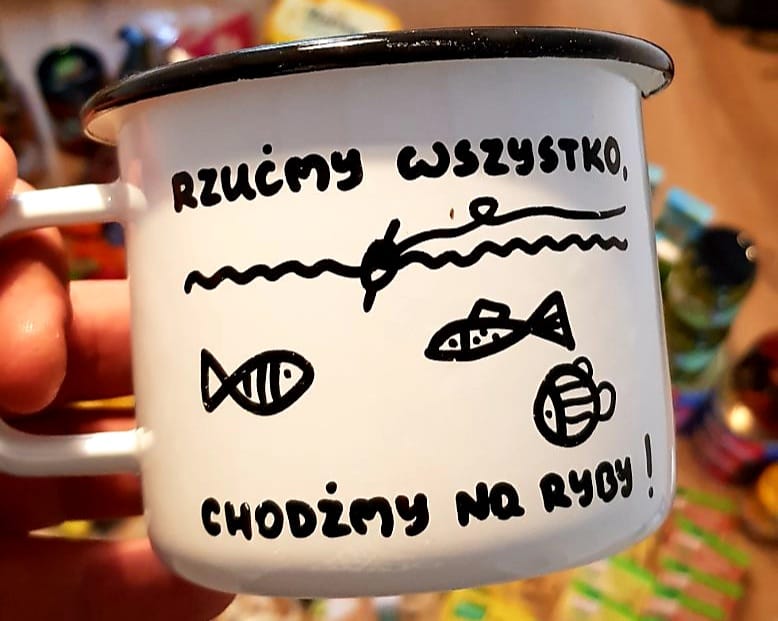
Like 2020, 2021 was a bit of an unusual year when it came to travel, due—as we all know—to the global pandemic, and the fishing industry was no exception. After a few date changes, we managed to book a trip for May 15, 2021, to Lake Boren... and then, a week before departure, we got a call: “Unfortunately, we cannot proceed with your trip because the camp supervisor has been hospitalized, and there is no one else available to host you at the facility.”
“You can choose a different place instead,” so without waiting too long, we decided to do a little research and quickly find out—which isn’t exactly easy— where we could go without making a “faux pas” (this mainly concerned ferries and the vacation dates we’d already planned in advance), so a pre-set date was out of the question. After numerous discussions, we decided to head to the Värmland region. It’s an area with plenty of lakes—as is the case throughout Sweden, really 🙂—but we liked that it was a moderate distance from the ferry, and the place where we were going to stay was probably our favorite part of the trip. The Varmaland region is located near the Norwegian border, around the Oslo area—beautiful, picturesque lakes, plus peace and quiet; what more could you want? Fish, of course 🙂 All the confusion surrounding the change of location had its consequences, because we’d been preparing for Boren for nearly a year—lures, reels, rods, and braided lines were specifically chosen for those waters—and here we had just a week to learn as much as possible about the water, whitefish, and the weather. We managed to get some advice from fellow anglers about the current conditions and buy some soft plastics and jerkbaits; since we run our own shop, this task was a bit easier for us.
Well, let’s hit the road… We’ll take a COVID test in the morning, and around 2 p.m. we’ll set off from Złoty Stok to Świnoujście to catch the ferry. We left with a little extra time just in case, so we’d still make it on time if we ran into any problems along the way.

We'll arrive in Świnoujście around 10 p.m. to check in for the ferry
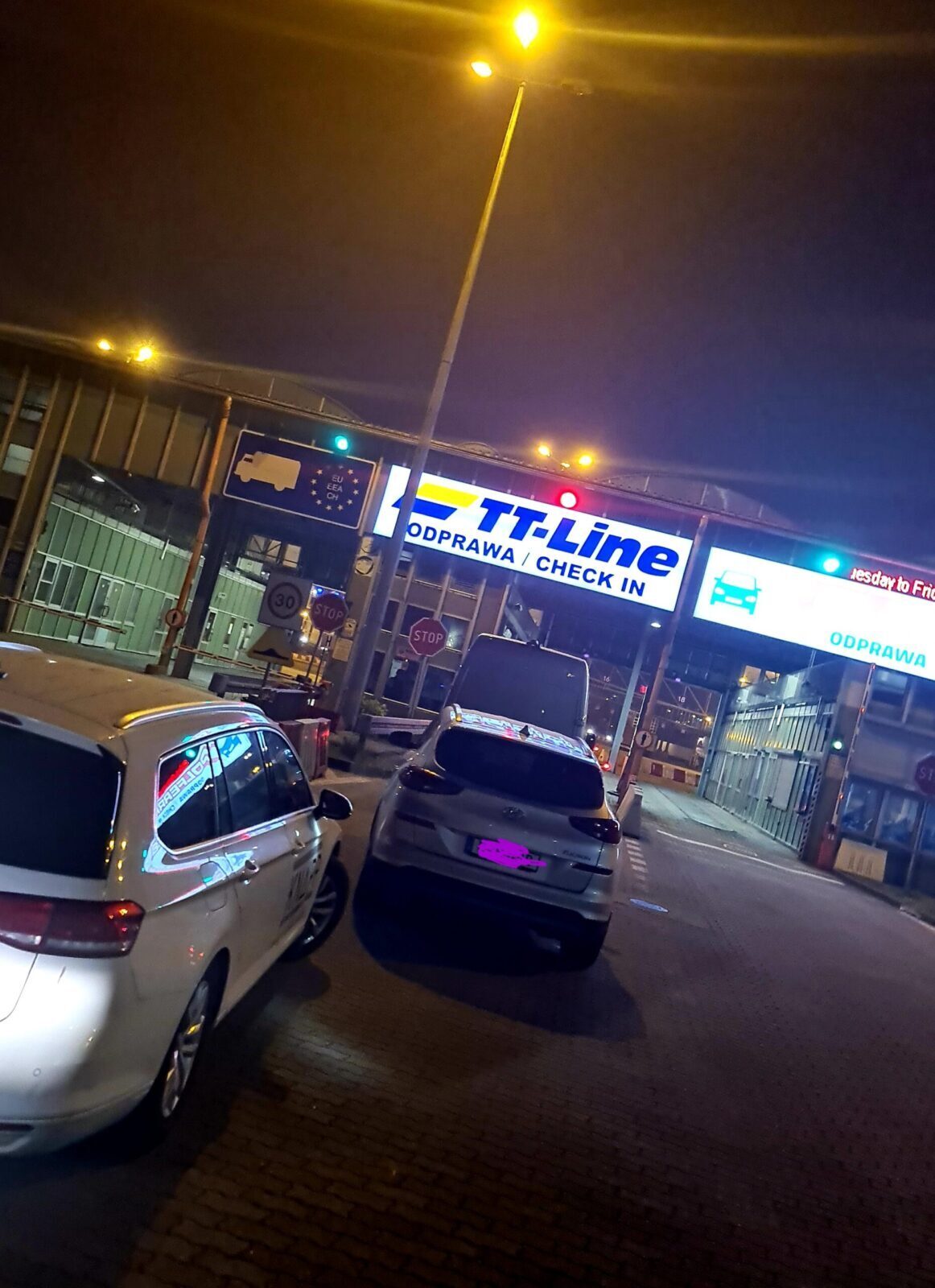
Check-in went really smoothly and without any major issues (there was no requirement to show a negative COVID test result on the Polish side)
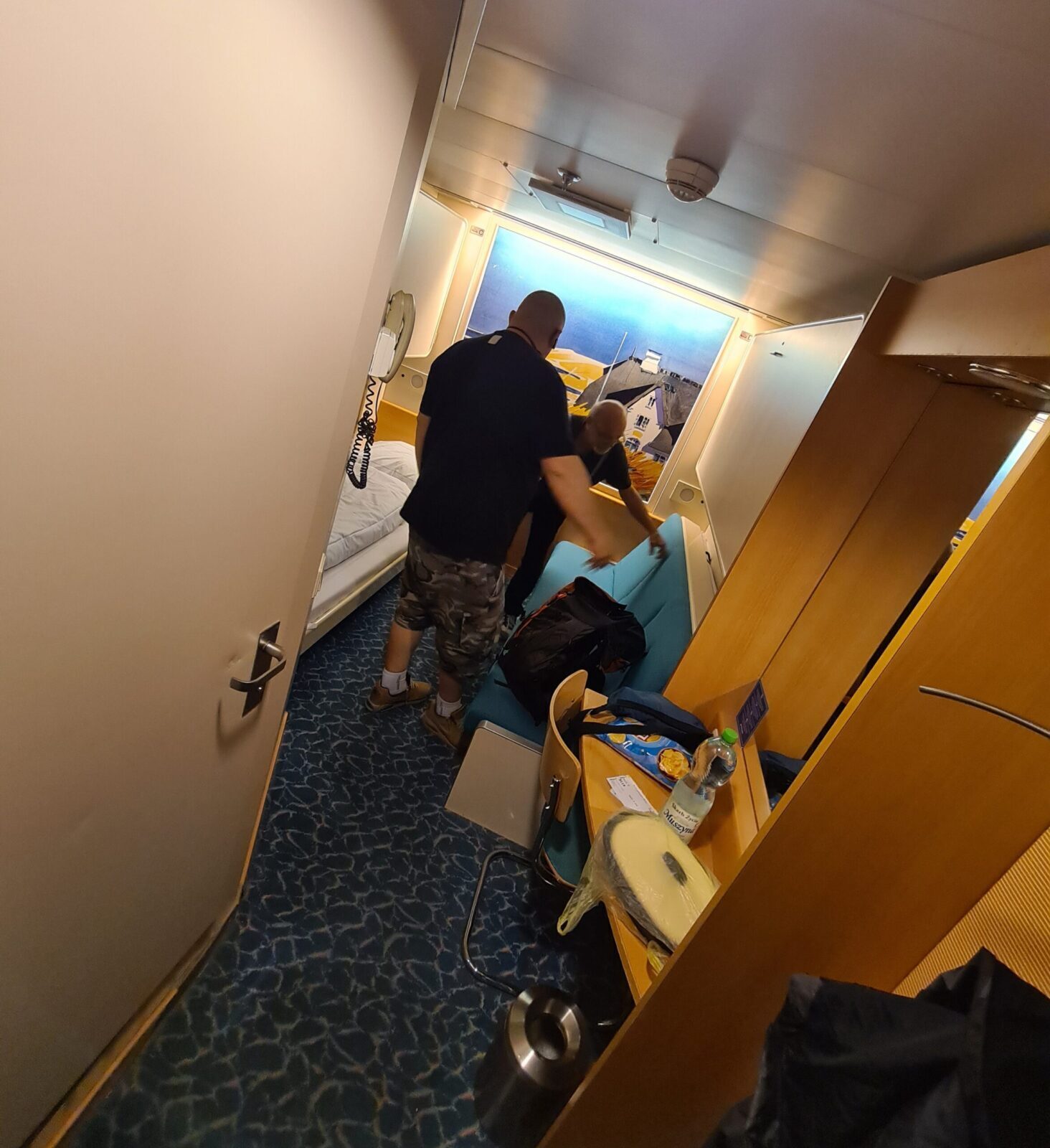
Here are a few photos of the ferry for those who haven't taken it yet

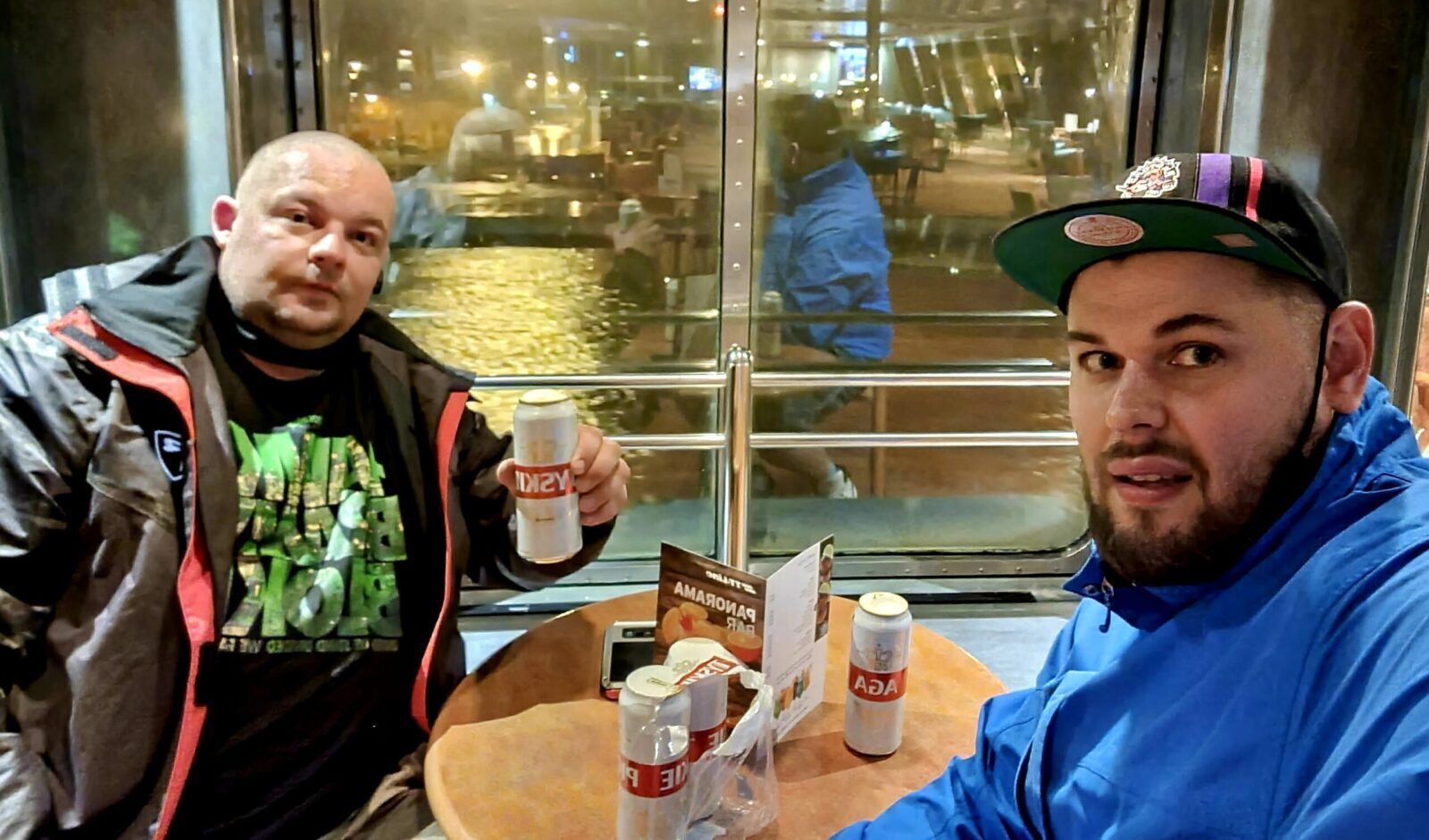
We decided to take a short walk on the ferry, grab a quick beer, and get some sleep, since we still had 600 kilometers to go after getting off the ferry.
We set sail as scheduled at 11 p.m. and arrive in Trelleborg, Sweden, at 7 a.m. On the Swedish side, we show our COVID test results, and the friendly staff wish us a successful catch.
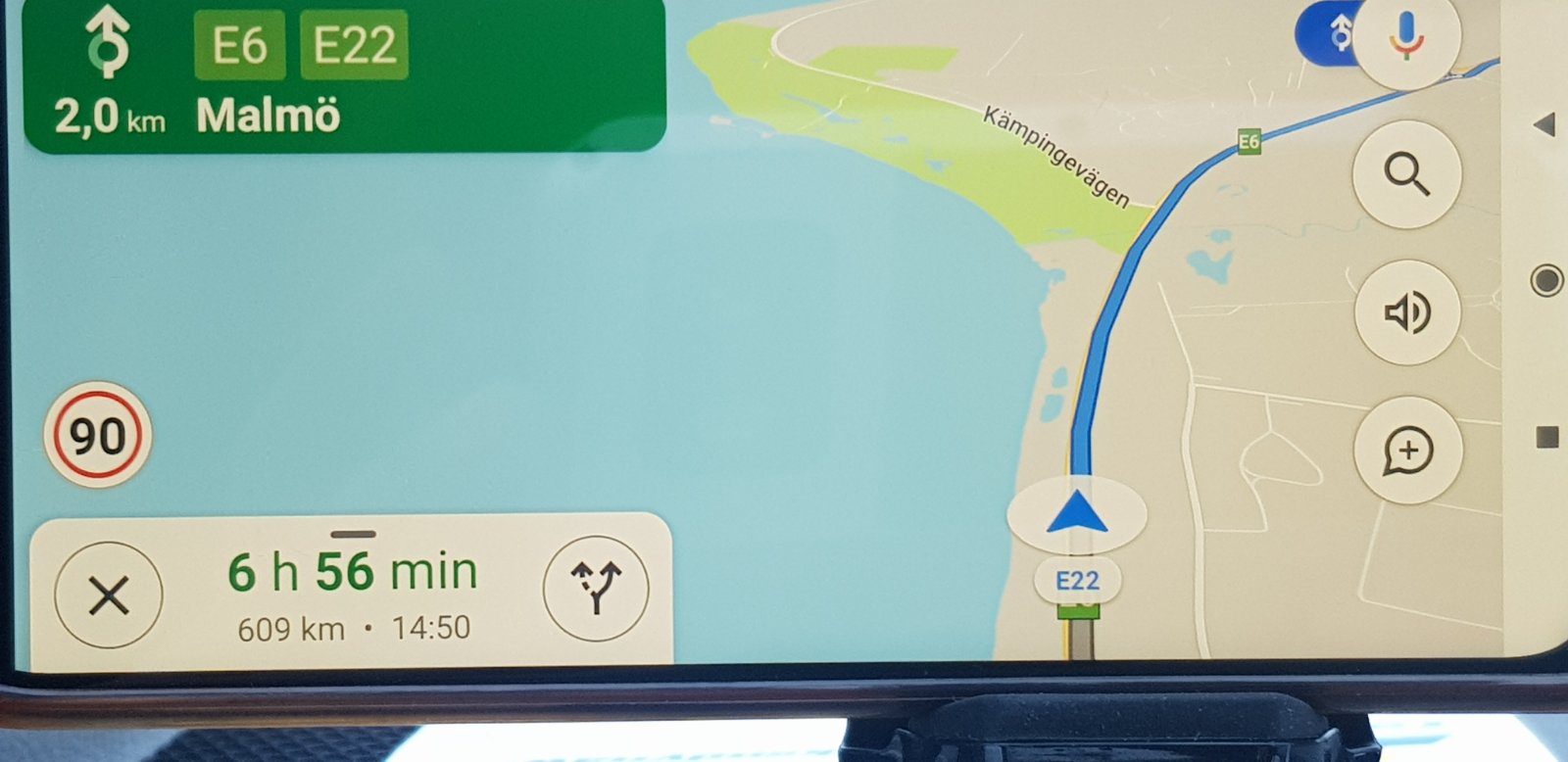
I don’t want to bore you with a detailed account of how we covered kilometer after kilometer—that’s not the point of this post—but for those of you planning your first trip to Sweden or the Nordic countries, remember to obey the speed limits. The Swedes themselves are very strict about this, and the numerous speed cameras are quite effective in enforcing the rules.
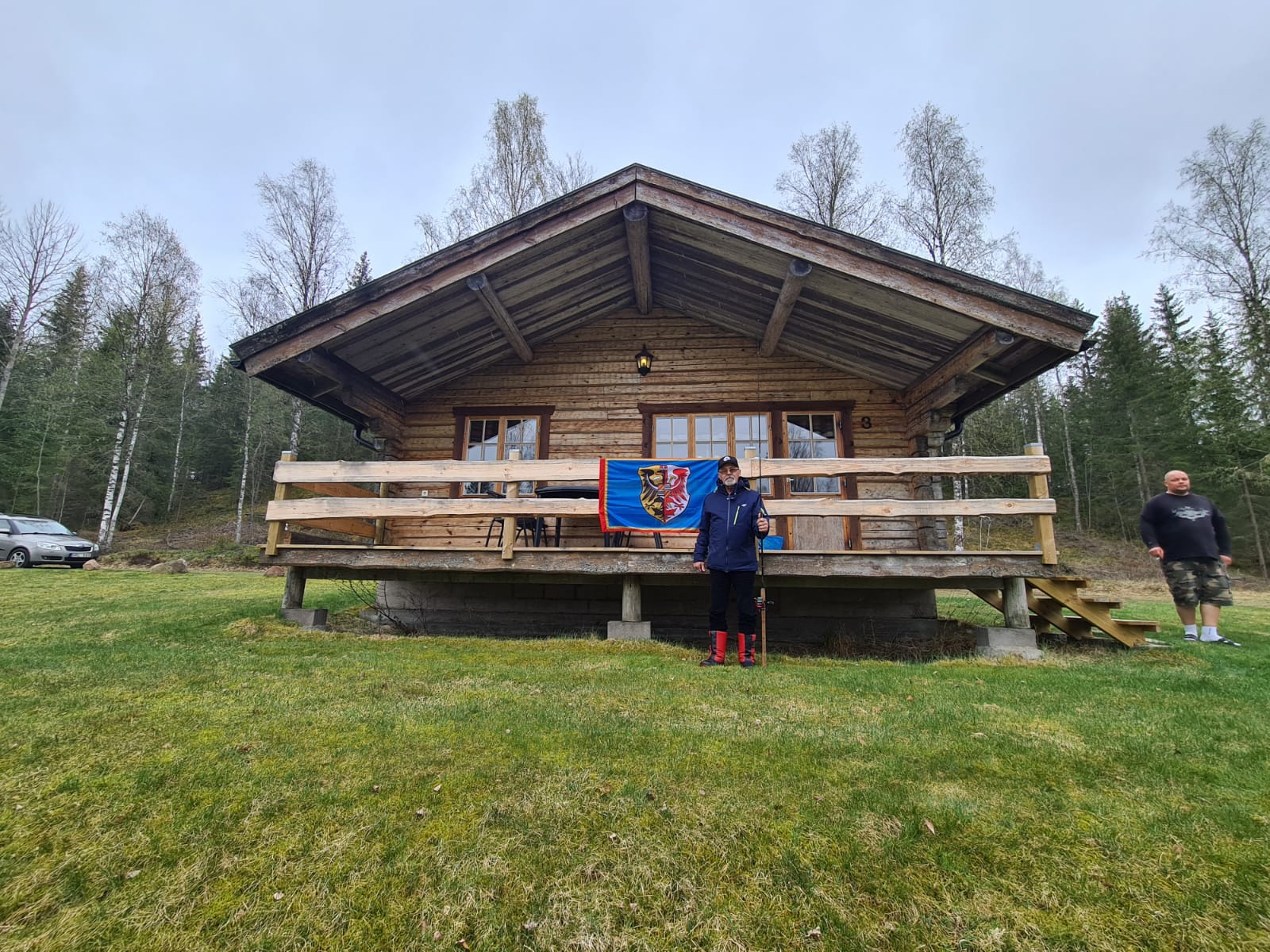
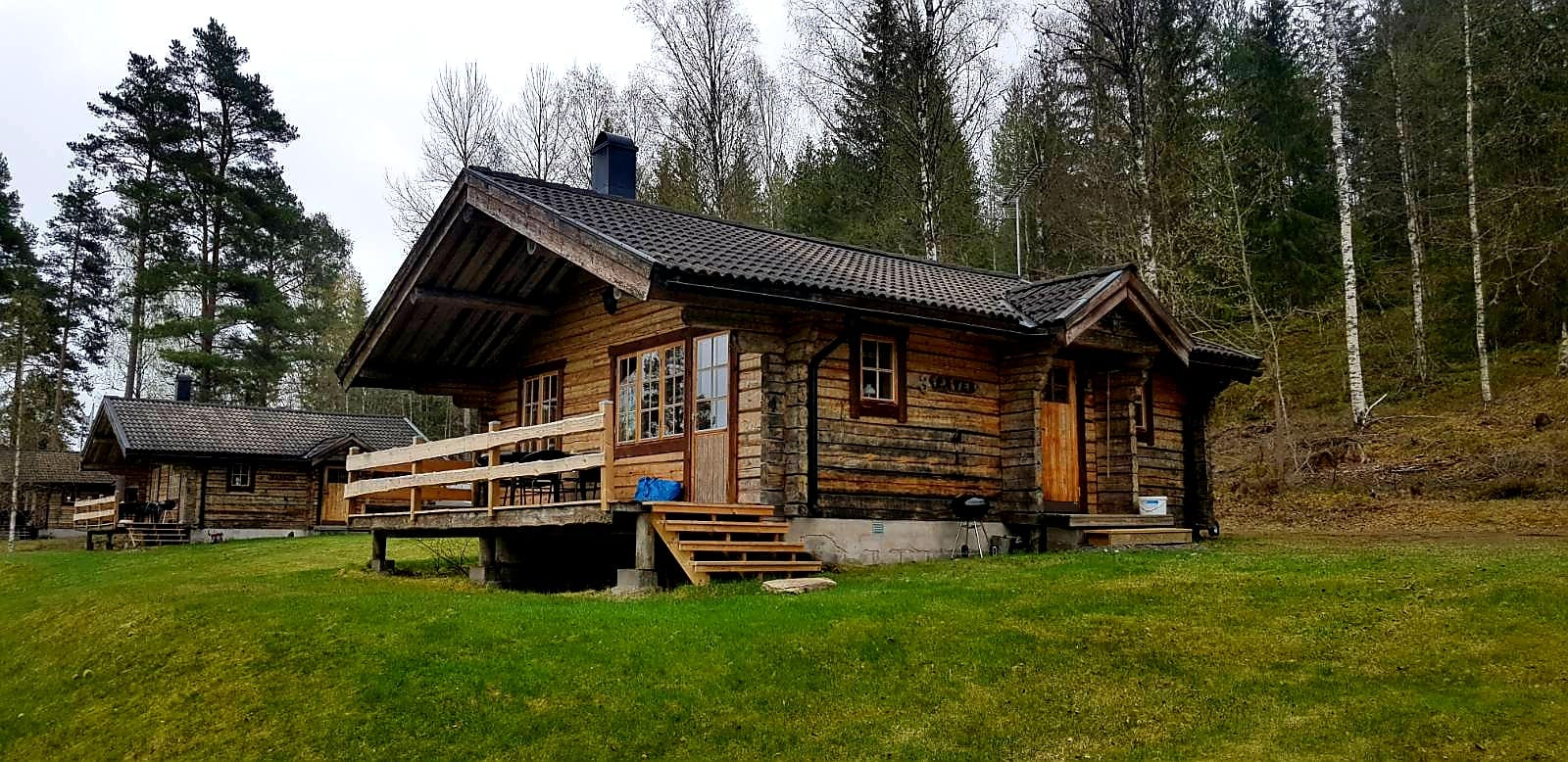
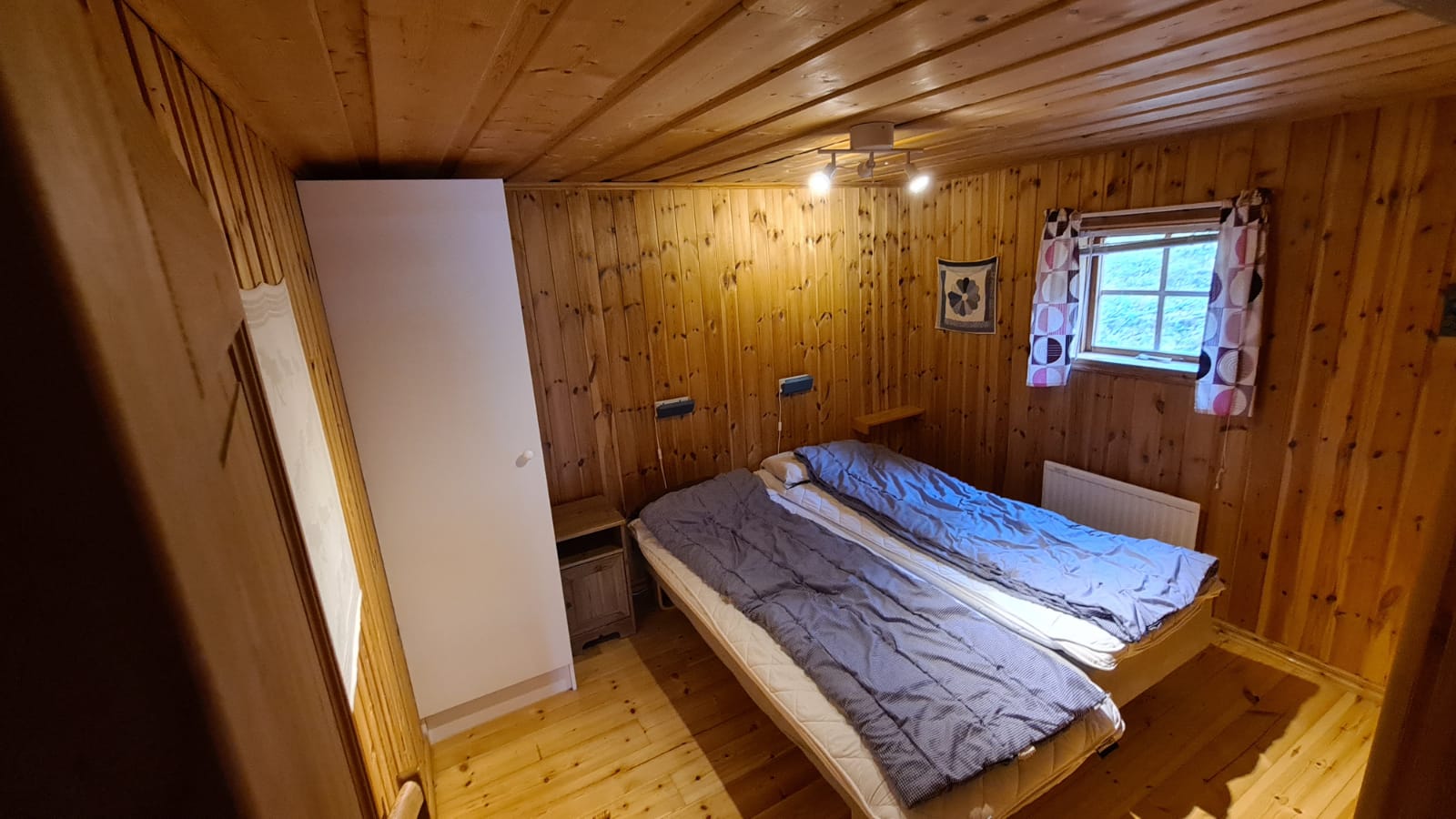
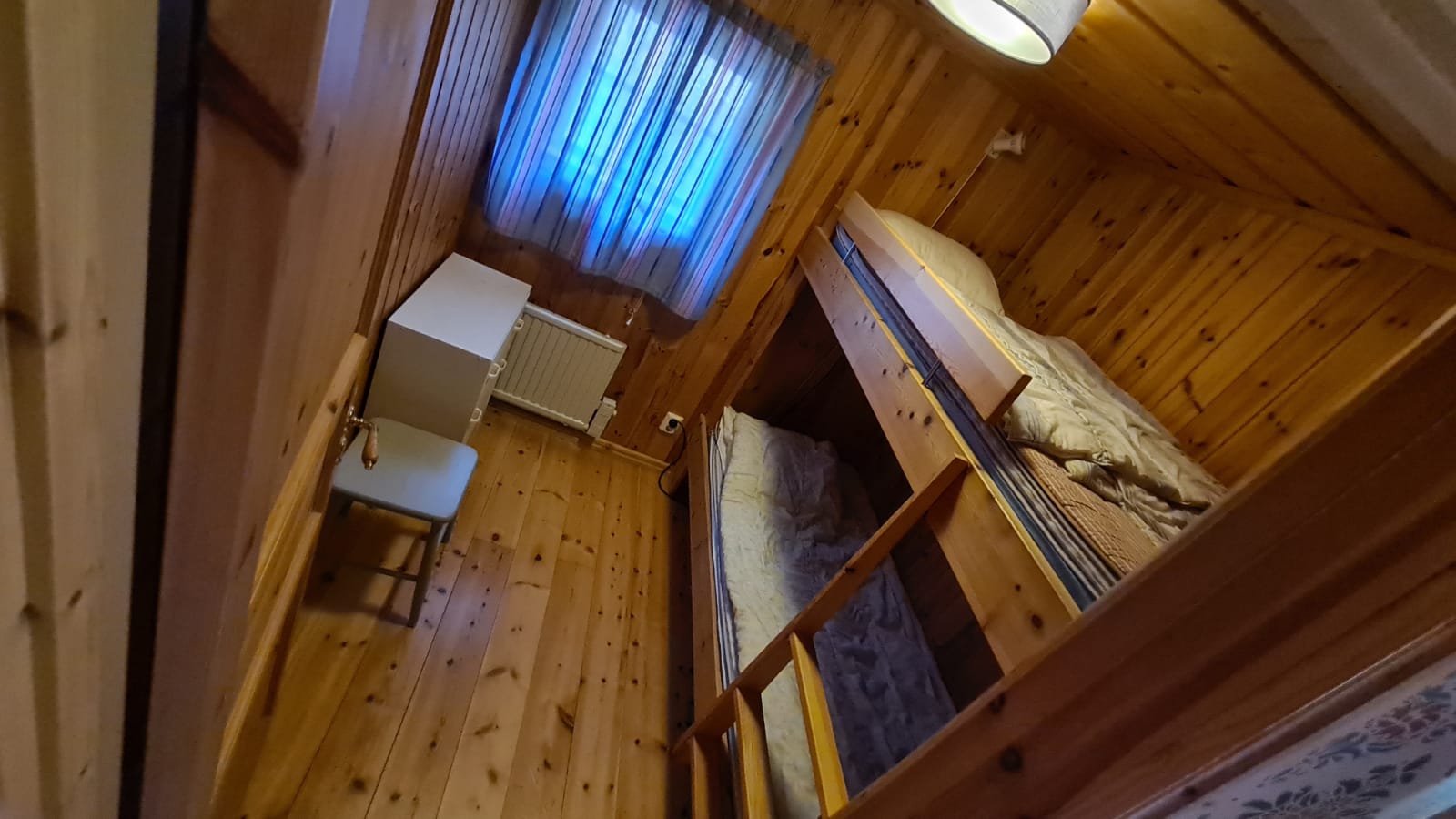
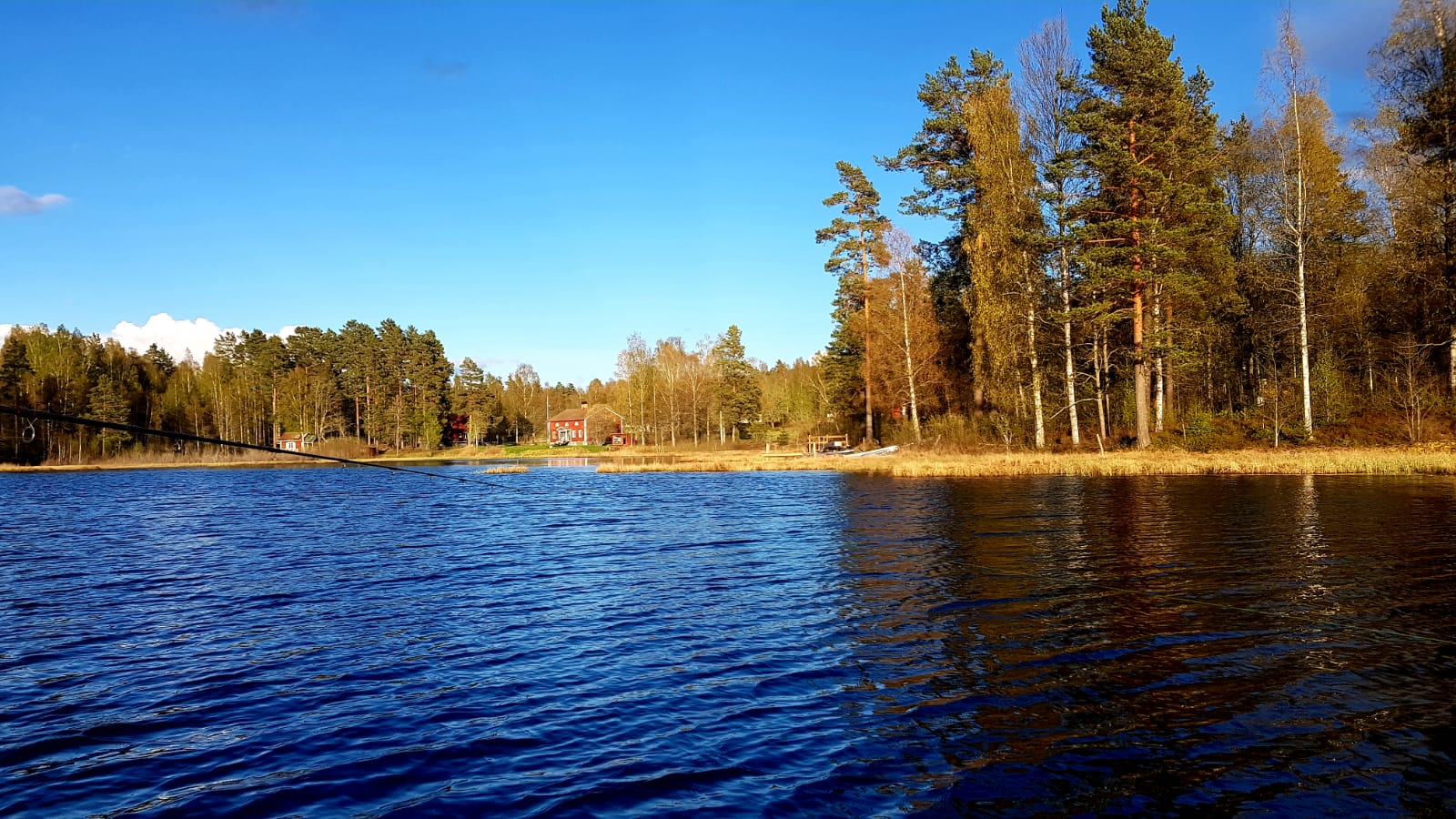
The resort where we checked in consists of three cottages, all beautifully situated with a view of the lake. I’ll post a few photos below. Each cottage has Wi-Fi, a kitchenette, two bedrooms, a bathroom, and a living room with a fireplace and a TV. The resort manager was very friendly; he explained to us where to fish—maybe not literally where, but he pointed out the spots where large fish are most often caught—as well as what to watch out for and which areas to avoid.

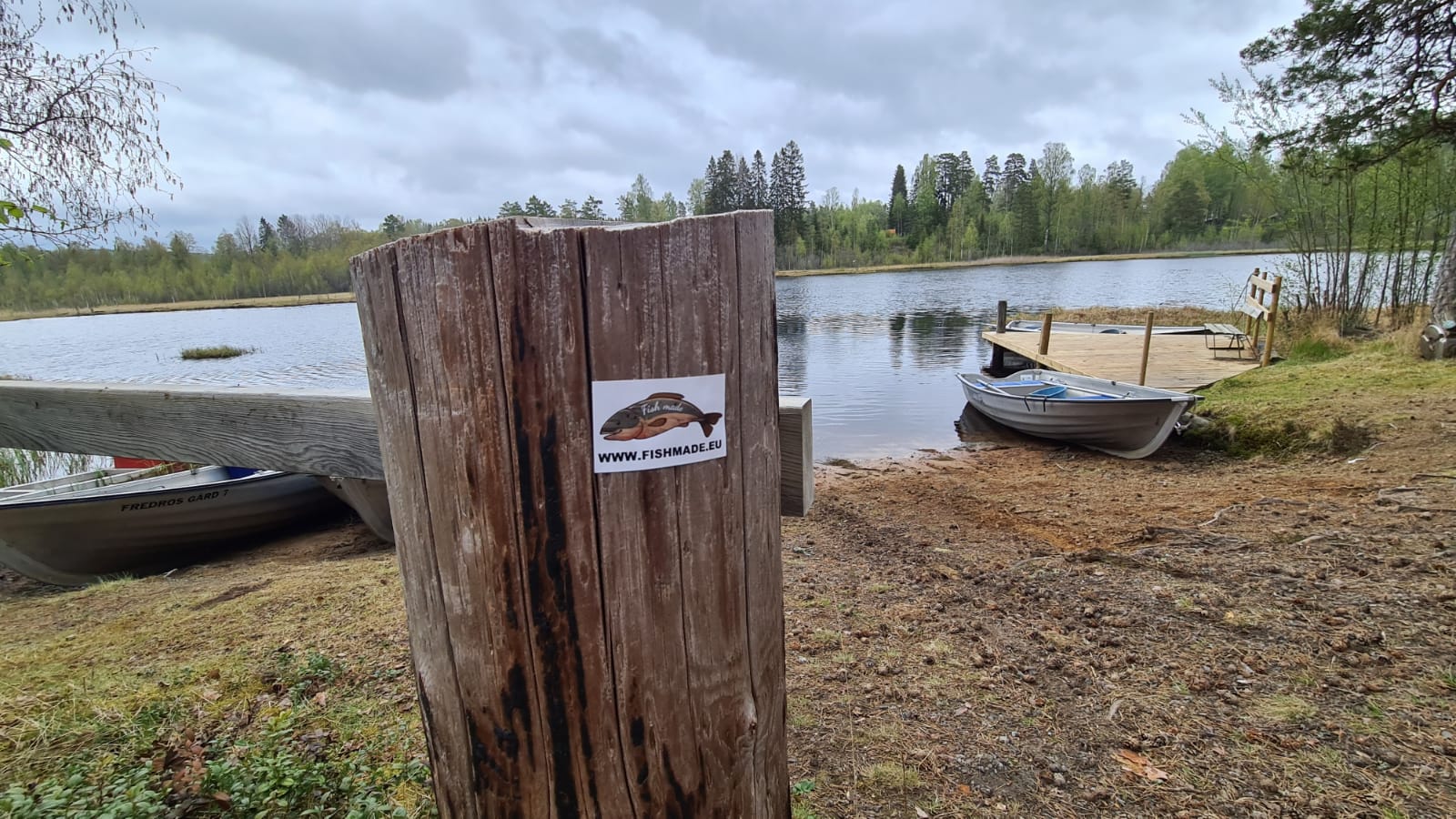
A few words about the lake where we were fishing: the lake itself is very picturesque and, as we described it, consists of three parts. The first part, where the boats are moored, is a small pond (but as it turned out, you can catch a nice pike there too), which leads to a channel nicely overgrown with vegetation. From the channel, we head out to a second small lake that has very nice spots for perch and pike; numerous reeds grow along the shore, and the depth of this second lake ranges from 3 to 14 meters. The last one—the so-called “frying pan”—is a fairly large body of water; I’d say it’s easily about 3–4 kilometers long and 1.5 kilometers wide, and the depth there also ranges from 3 to as much as 20 meters. What the resort manager told us about the fish found in the lake is, of course, pike; last year, a record-breaking 130-centimeter “monster” was caught, as well as large perch over 50 centimeters, though he noted that the season for them begins around July, and lake pike, which reach weights here ranging from 7 to even 10 kilograms.
Below is a map for reference

The resort has 6 aluminum boats available—2 for each cottage—each equipped with an anchor and a 2.5-horsepower motor, which we believe is definitely insufficient; for such a large body of water, a 5-horsepower motor is the bare minimum.
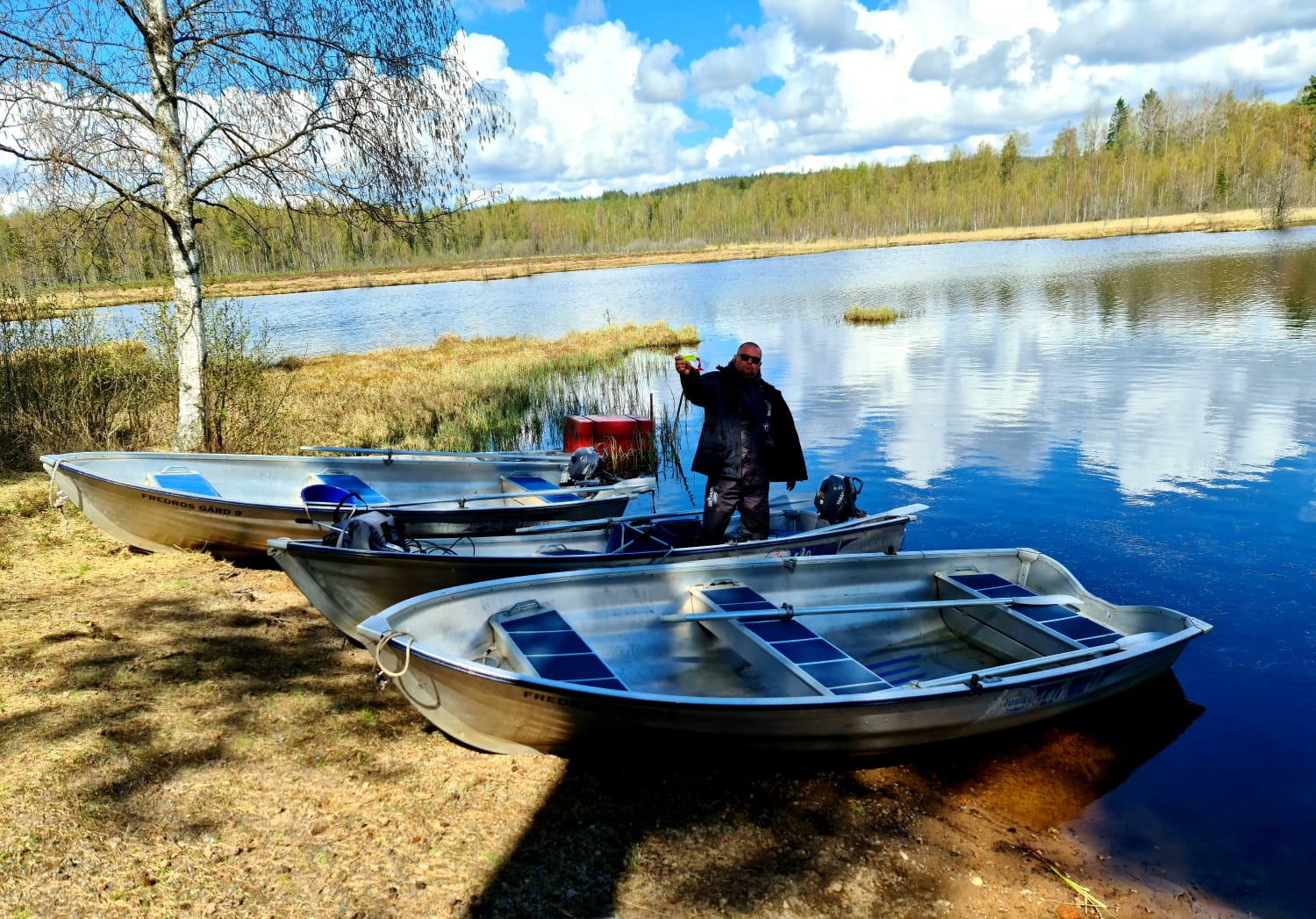
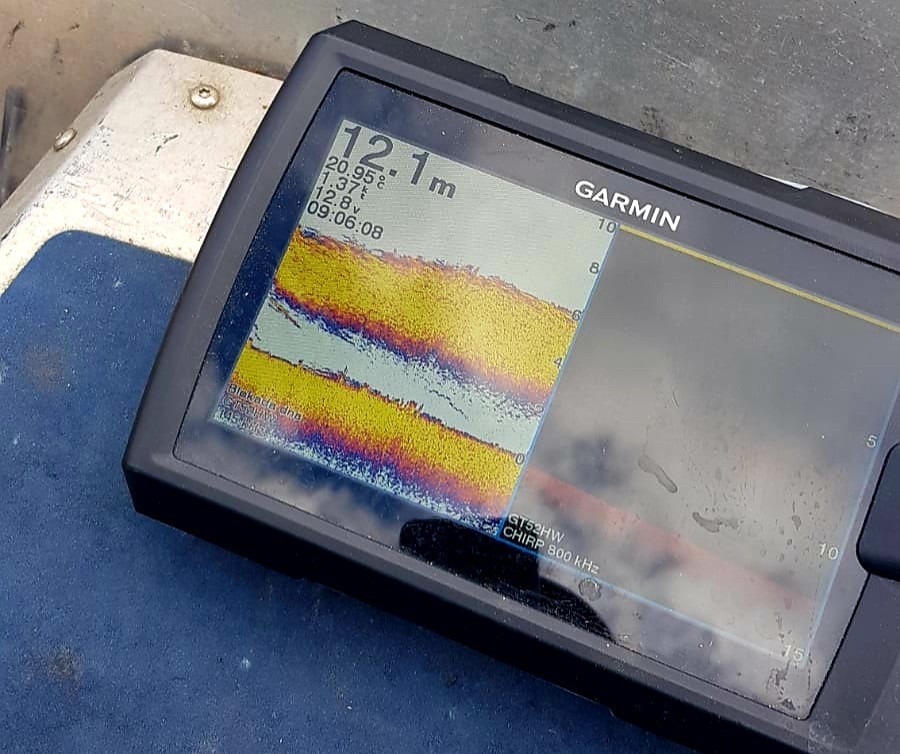
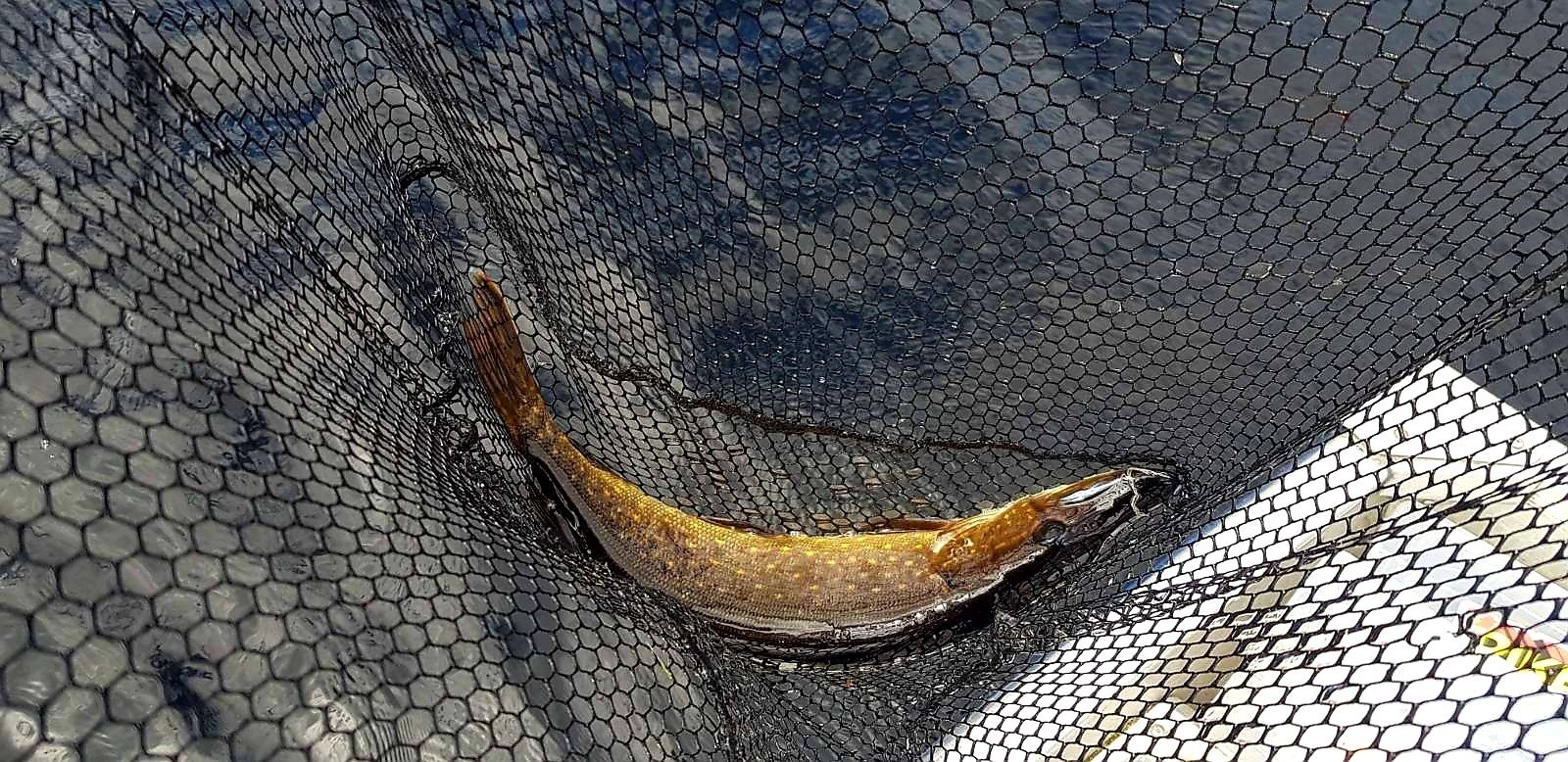
We started fishing, of course, on the very day we arrived. It started off very well because my friend Rafał caught the first fish—basically on his very first cast—a pike just under 50 cm, and… that’s where we ended the day. The water turned out to be really challenging—a long winter (the ice didn’t break up until late April), cold water, and the predators weren’t very active yet. We returned to the cabin and, over a beer, mapped out our strategy for the next day. The best way to get to know the lake is to navigate it; the owner had given us maps, but we decided to troll the lake and see what was happening underwater using the fish finder. Wake-up call—everything, of course, prepared the day before—and out onto the water. We set out onto Lake 2 from the canal, turned on the fish finder, and to our surprise, after traversing nearly the entire lake, there was complete silence on the water; no readings—the lake was “asleep.” So we headed to Lake 3, and there… the same thing. The first readings appeared after about 20 minutes, and our worst fears were confirmed: the fish were still in deep water; the best readings were at around 16 meters.
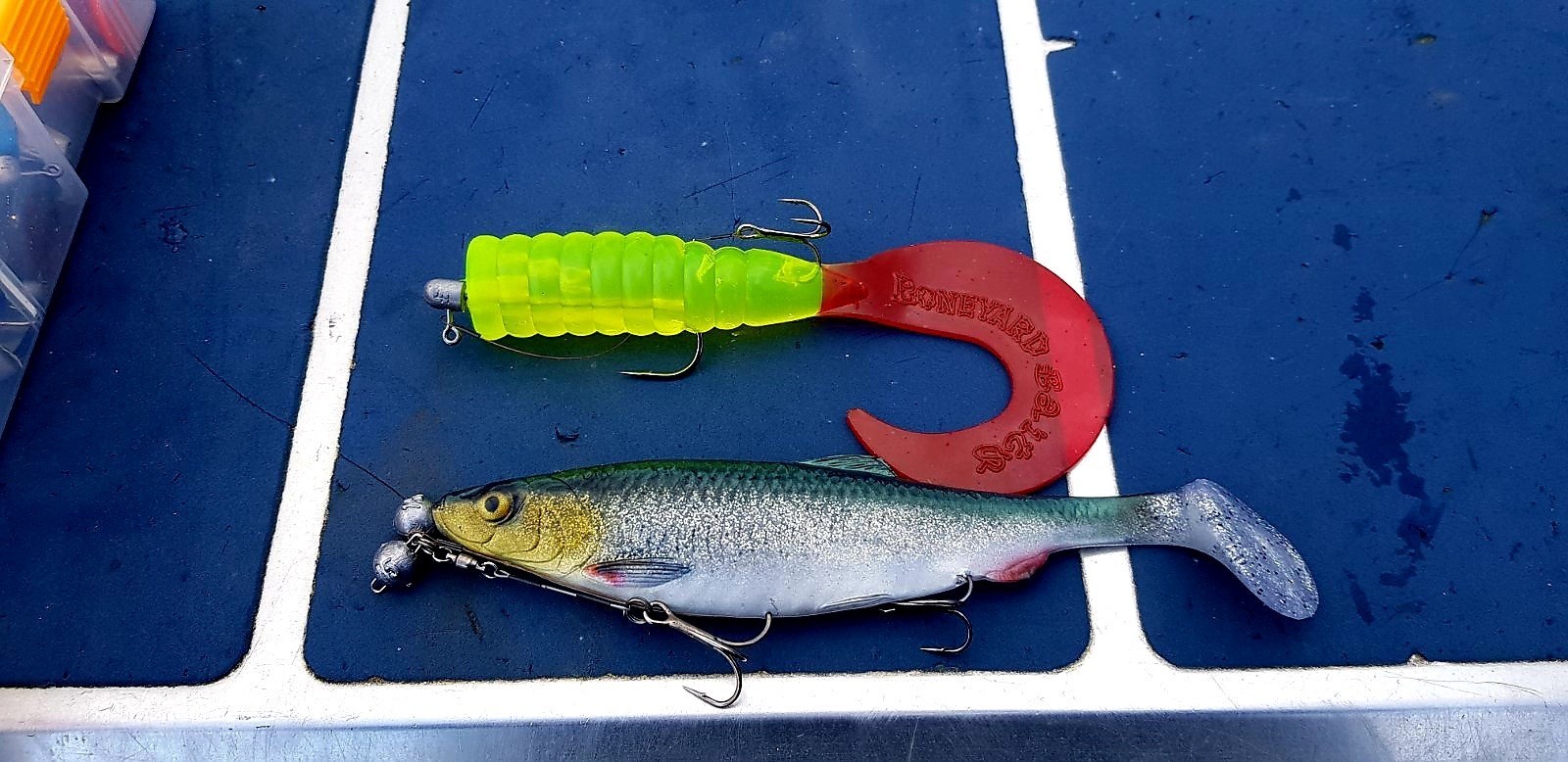
We stick to our plan and keep trolling; we head in the direction indicated by the facility manager, and roughly at that spot, Rafał gets his first bite while trolling—unfortunately, the tail of the 25-cm herring was cut off, so we decided to switch to a larger lure. I rig up a 22-cm Pike Killer soft plastic lure that we made ourselves.
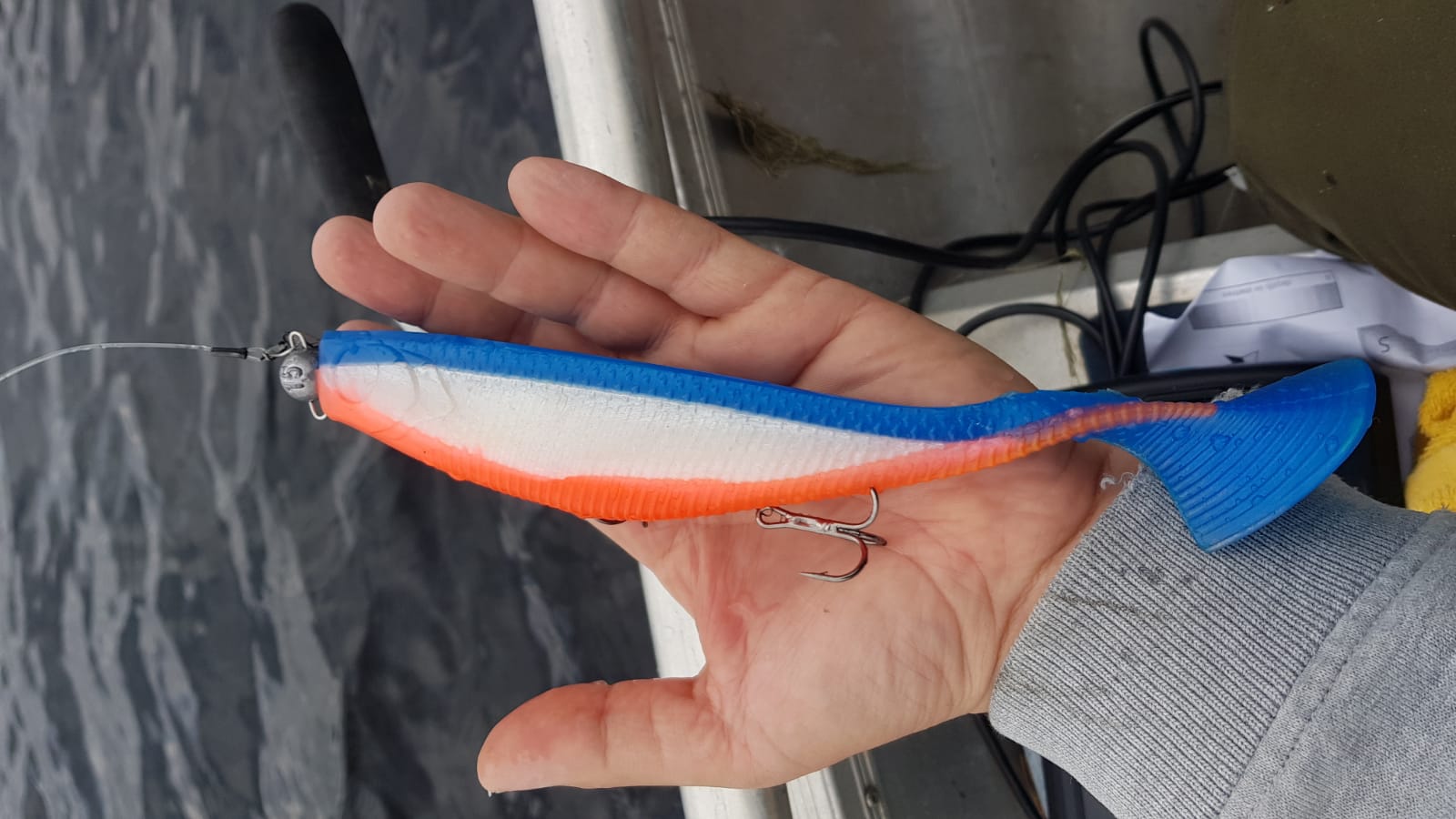
We didn’t have to wait long for results—after about three minutes on the boat, the adrenaline kicked in a bit, and the rod was STUCK in my hand!! I felt some serious resistance; after a fierce fight, a large fish in excellent condition came into view. After being released, it vanished in the blink of an eye. The coloration of the fish in the lake is due to the color of the water—or rather, the bottom. The water is “clear,” well-oxygenated, but tinged with a brownish hue.

We didn’t catch anything else from the troll that day. We got a call from Dad saying he’d caught a 78-cm pike in the first lake, but we were still very happy with the day because our main goal had been to get to know the lake, and that’s exactly what happened.
Back at base, a few conclusions, a few thoughts—unfortunately, the water temperature isn’t very high, and you have to work really hard to get the pike to strike.
Having learned from experience that the best ideas come over a beer, we sat on the porch to discuss our strategy for the coming days

We checked the weather, and to our delight, the forecast was very optimistic: we were supposed to have clear, sunny days for the rest of the trip, which boded well. Admittedly, the body of water is quite large, and we assumed that the water temperature wouldn’t change much throughout the day, but the sunny days were a good sign.
The next day greeted us like this
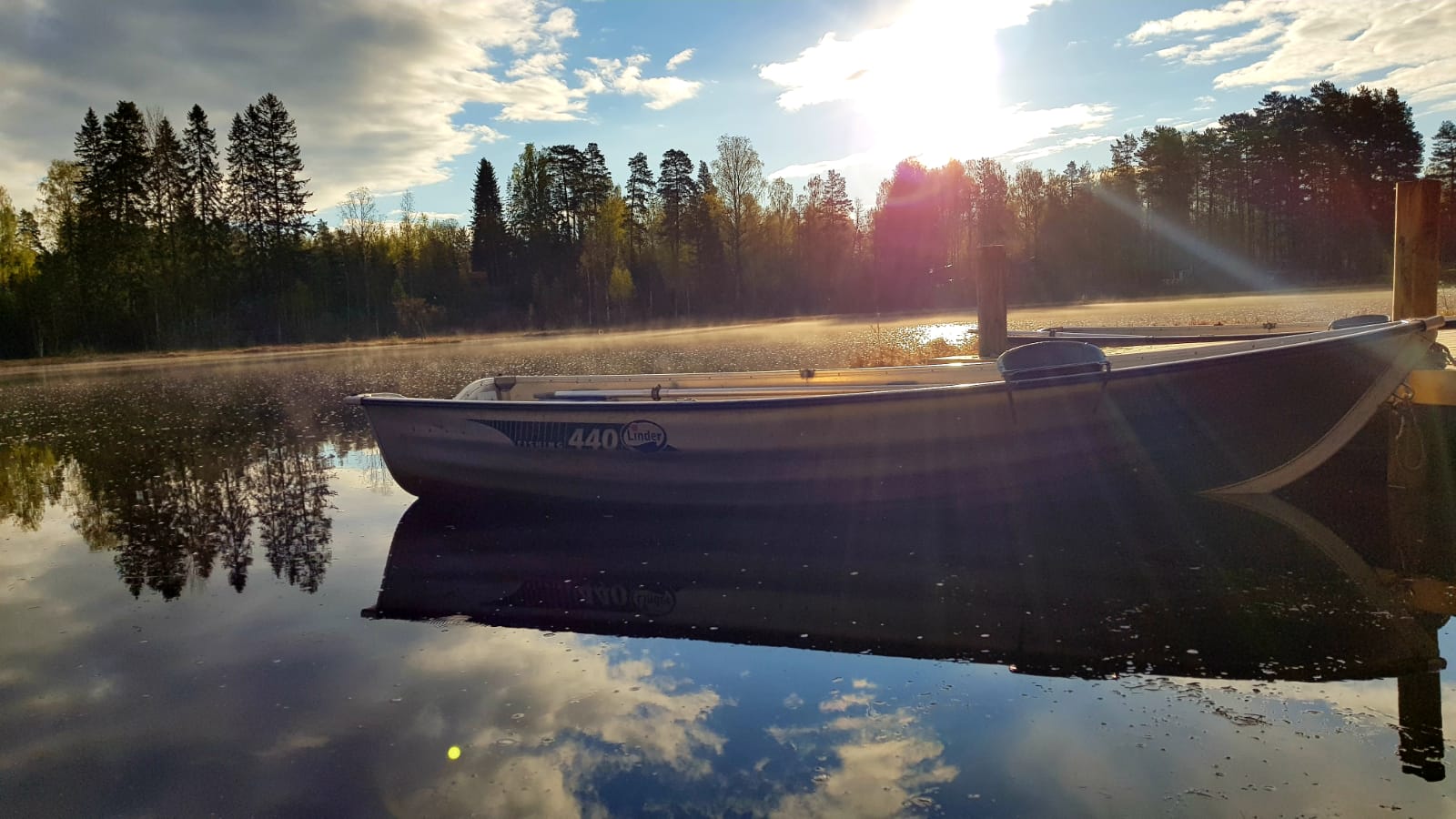
The weather stayed like this practically until the end of our stay, and to our surprise, the water temperature rose almost by the hour. We decided to head out to deeper water, but despite very promising signs, we were unable to entice the predator to strike

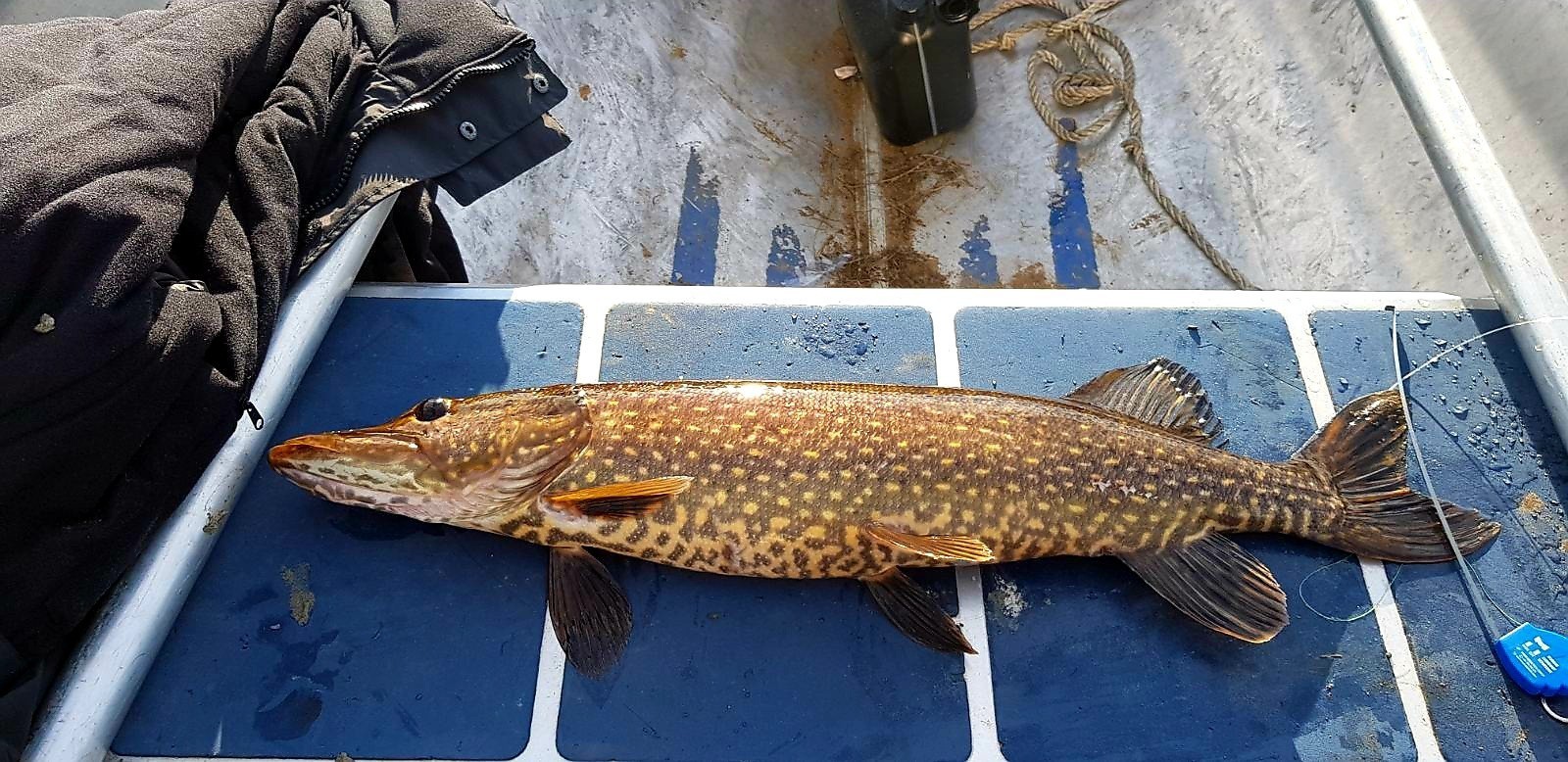
We decided to head back to Lake No. 2 and cast our jerkbaits near the shallower water, reeds, and coves, which immediately paid off—admittedly, the pike weren’t huge, running around 60 cm, but at least we got to have a little fun
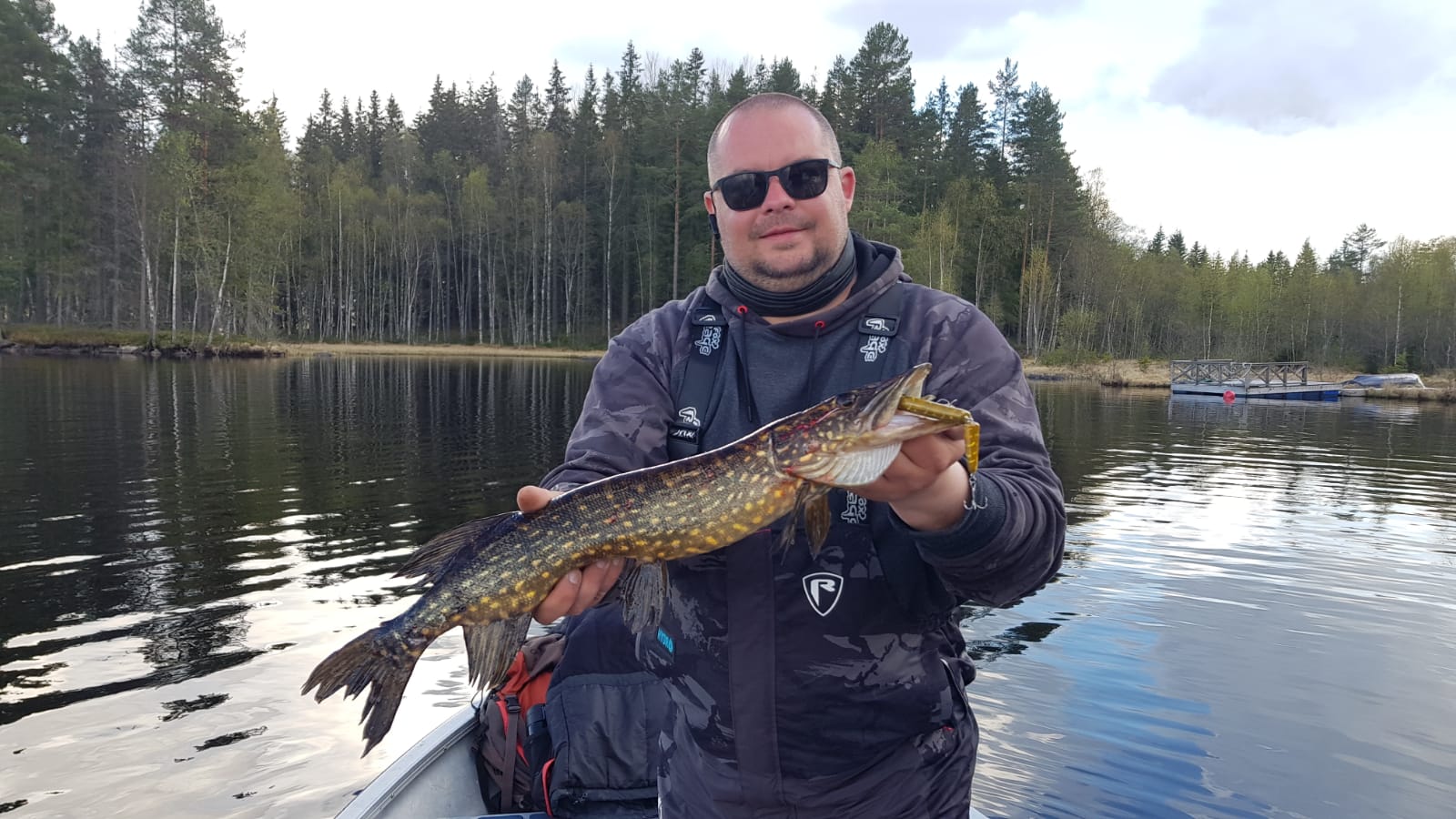
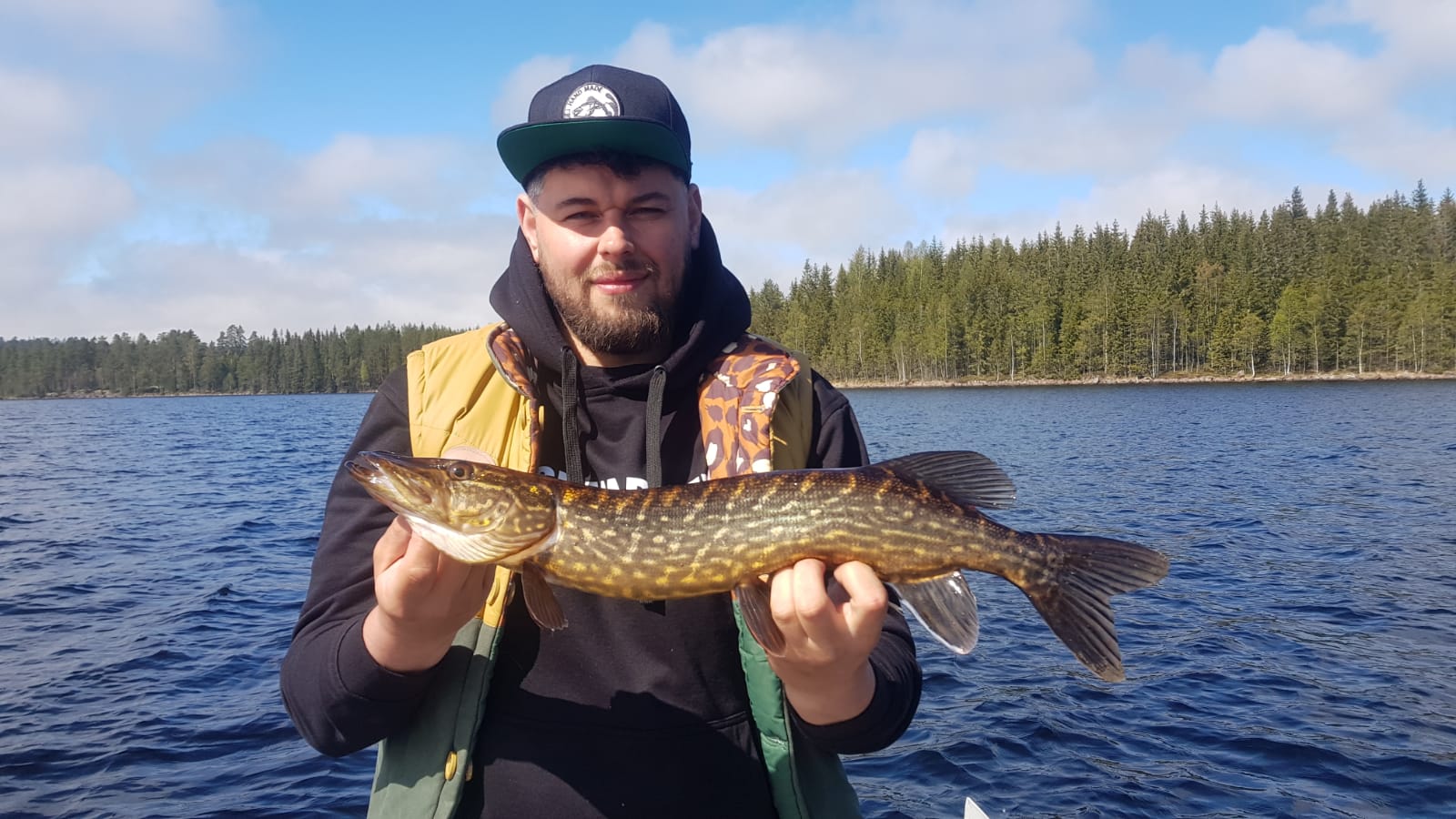
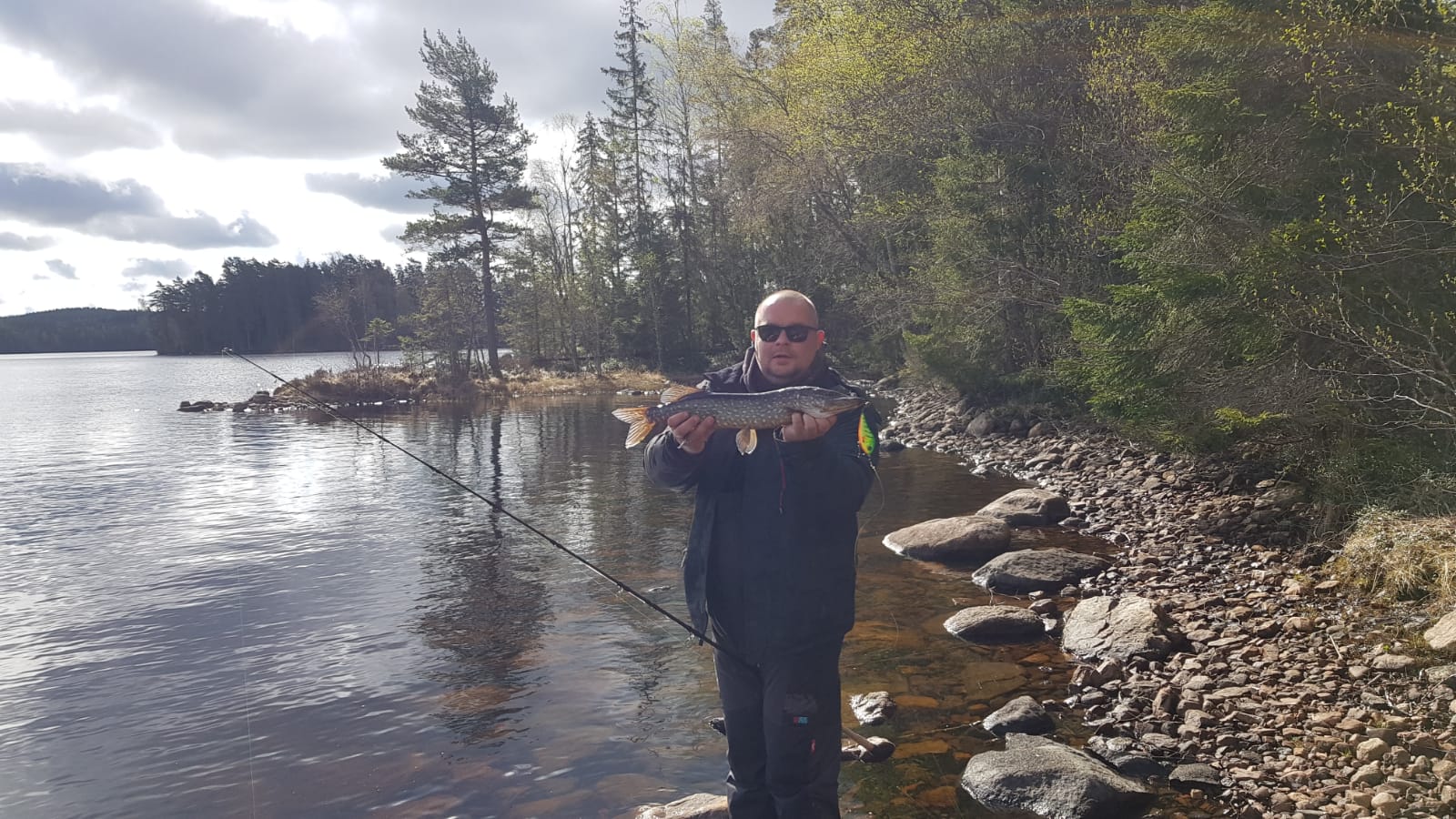
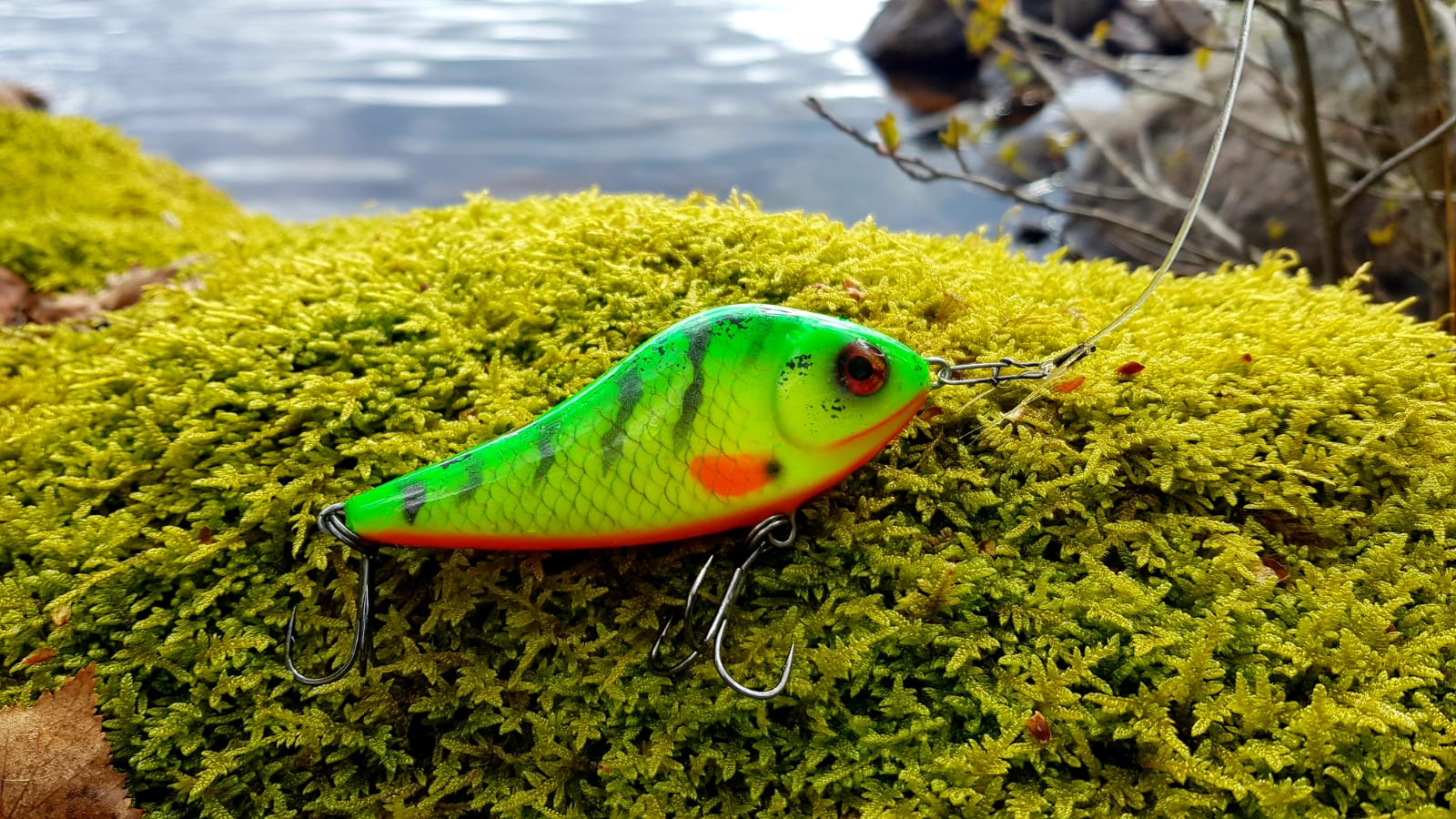
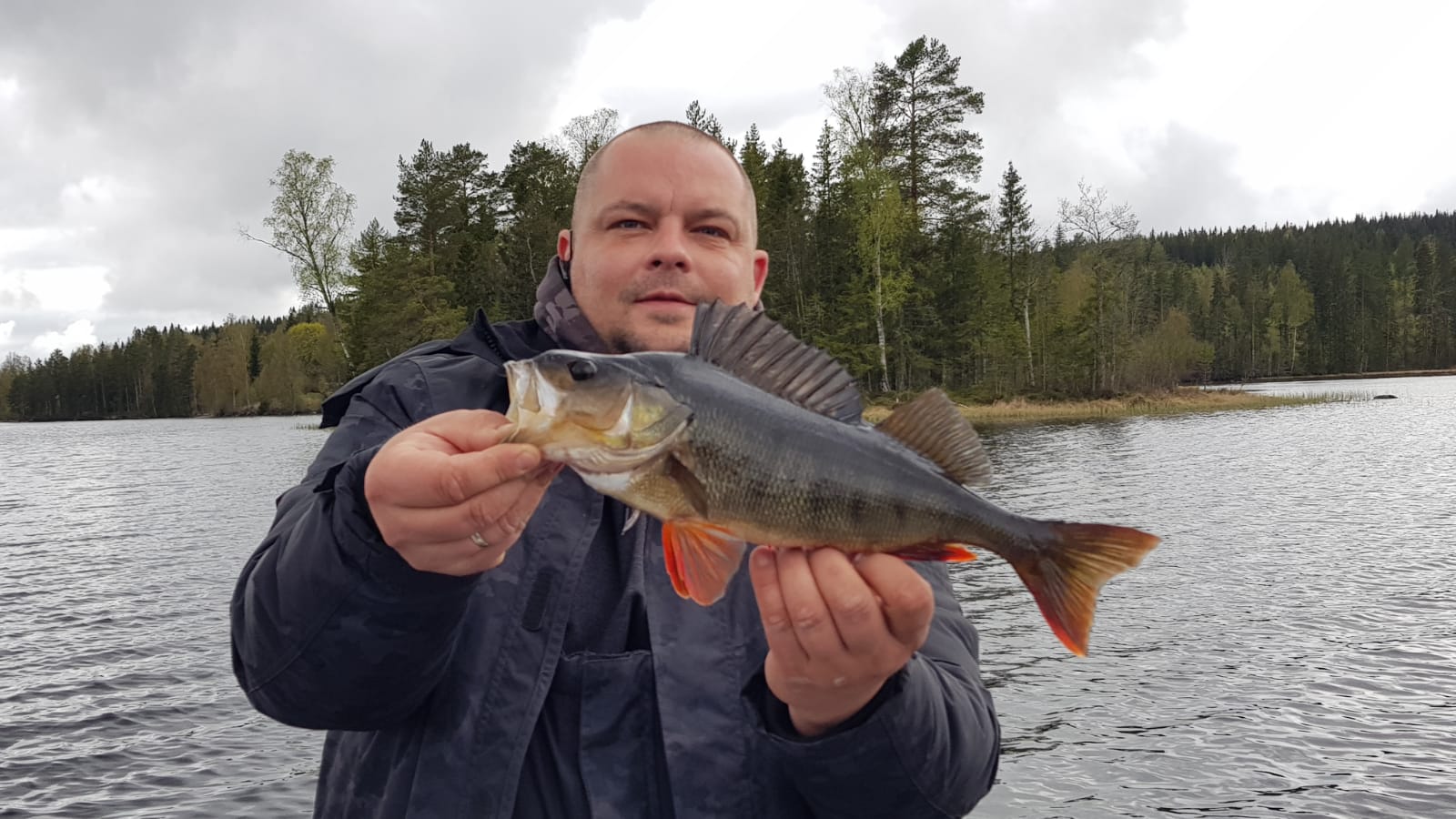
The next few days were spent fishing our usual spots, which didn’t let us down; Rafał even managed to catch a nice 40-cm perch, which was the only perch of the trip. On the fifth day, after several very warm days, we decided to go trolling again on Lake No. 3, and there we saw something I’ve honestly never seen before: schools of fish stretching for dozens of meters from a depth of 10 to 4 meters. We rubbed our eyes in amazement. We managed to catch—or rather hook—some whitefish while we were fishing around the schools.
Luckily, we had some rubber lures and jerks in silver colors with us; once we switched to those colors, the fishing and the fun really began—it’s safe to say they saved our trip 🙂
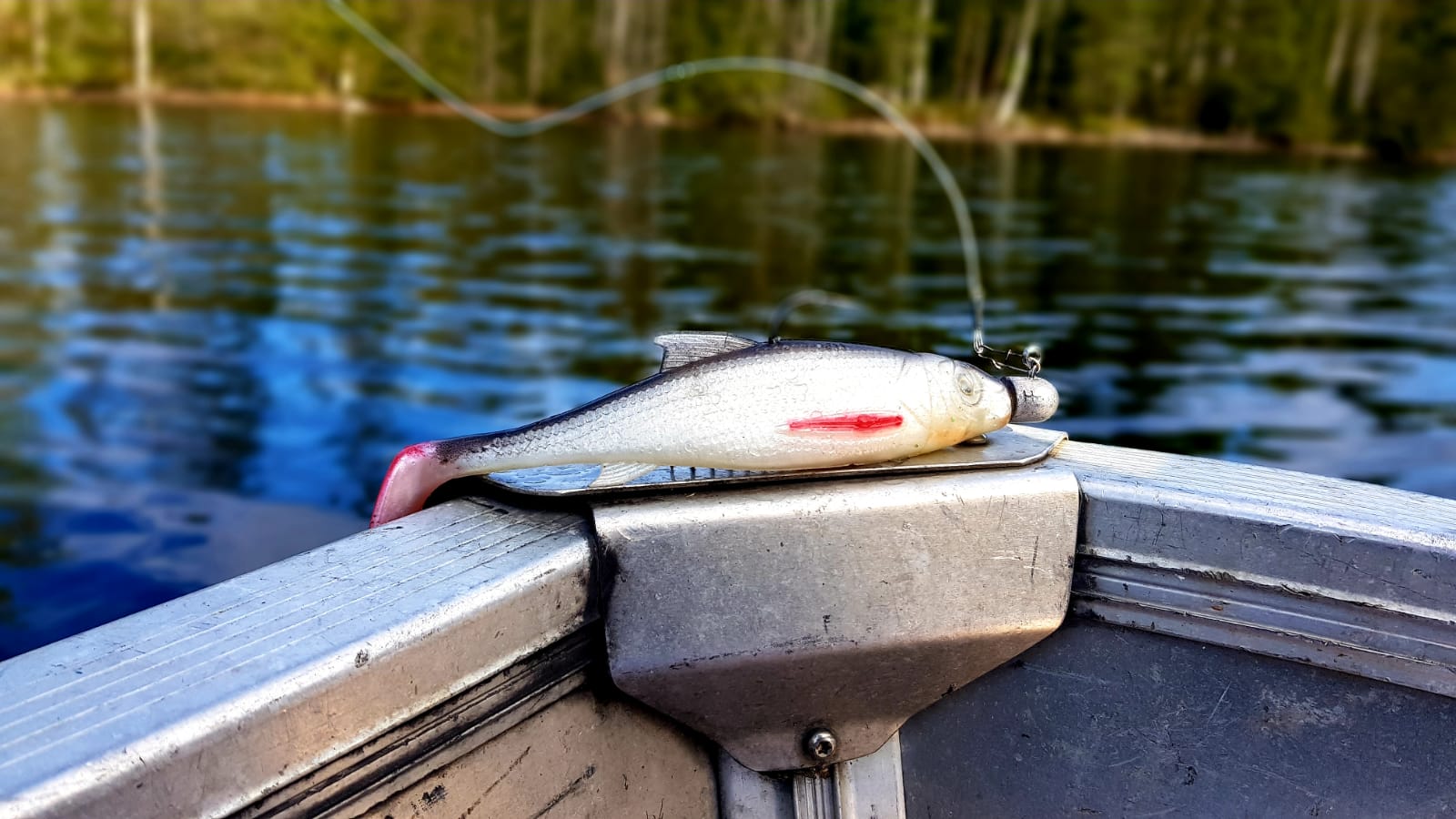
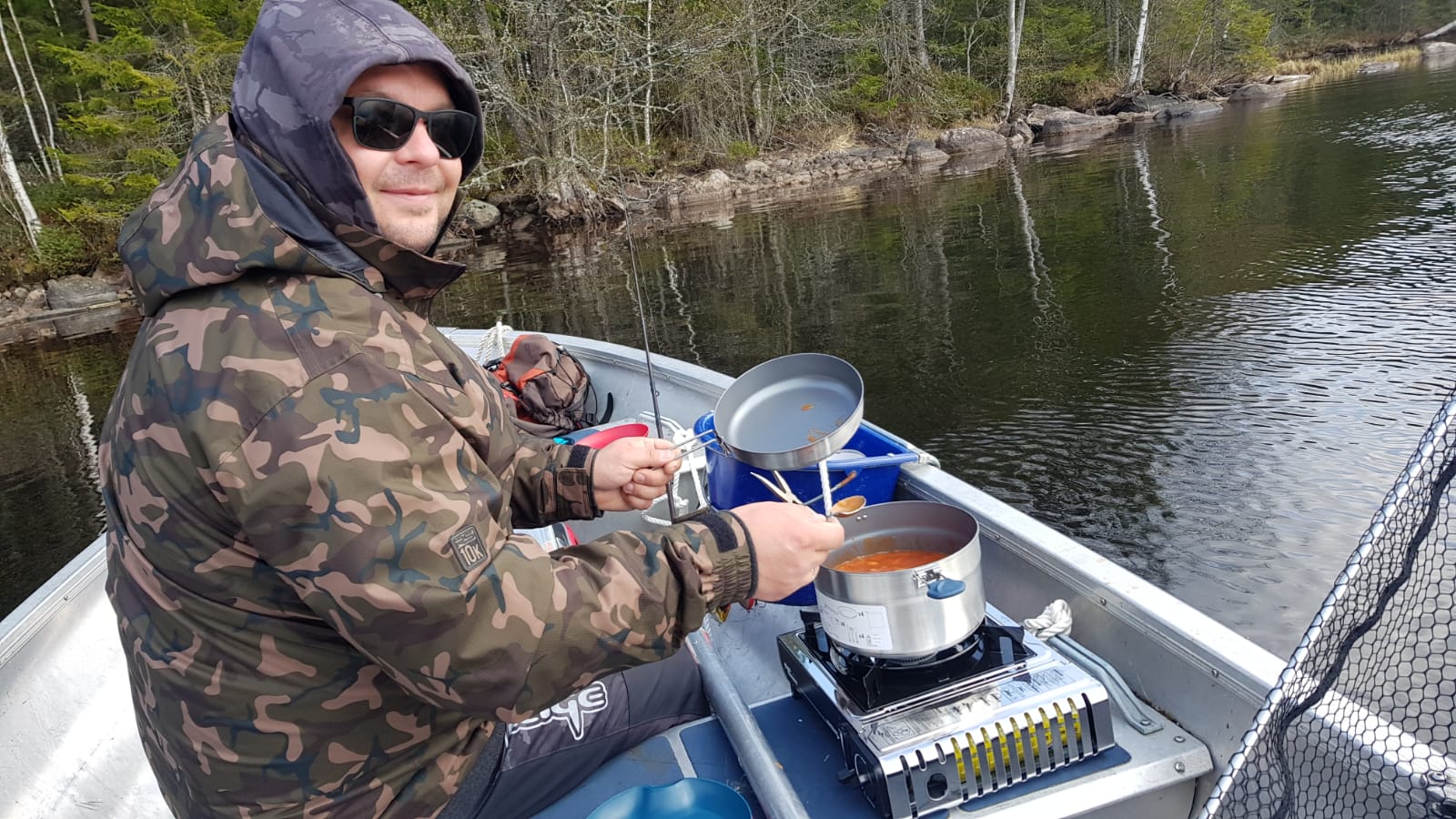
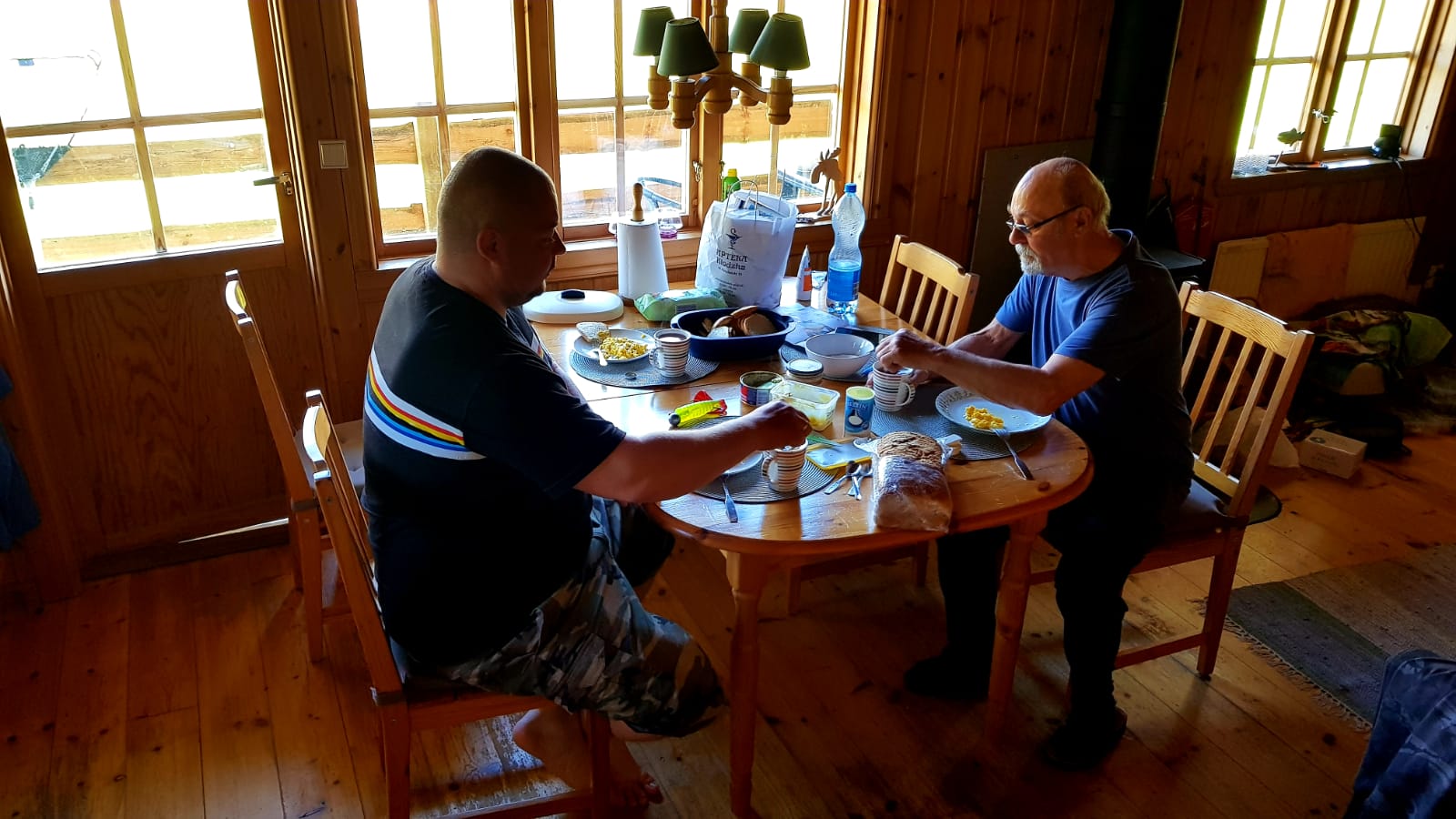
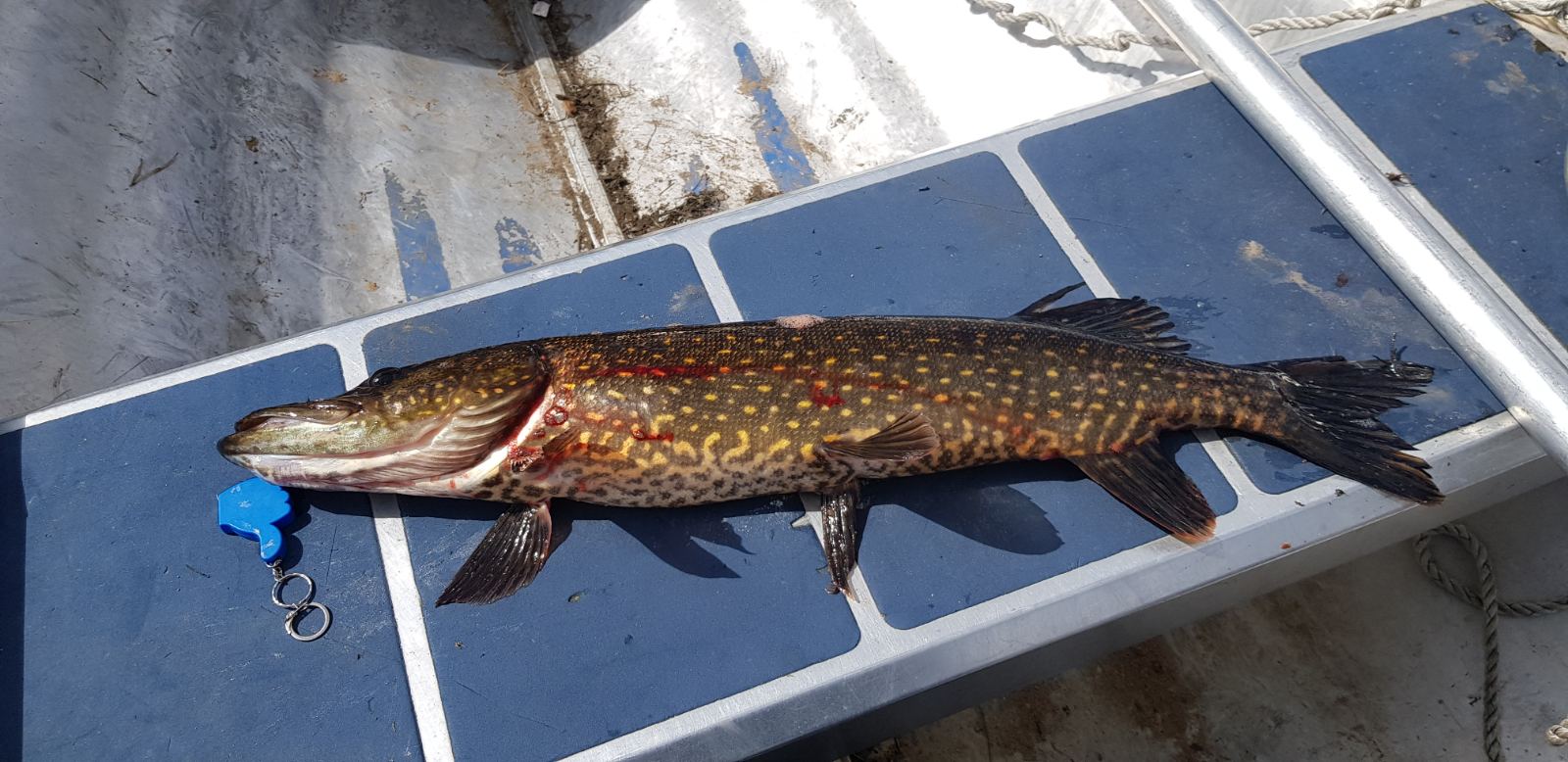
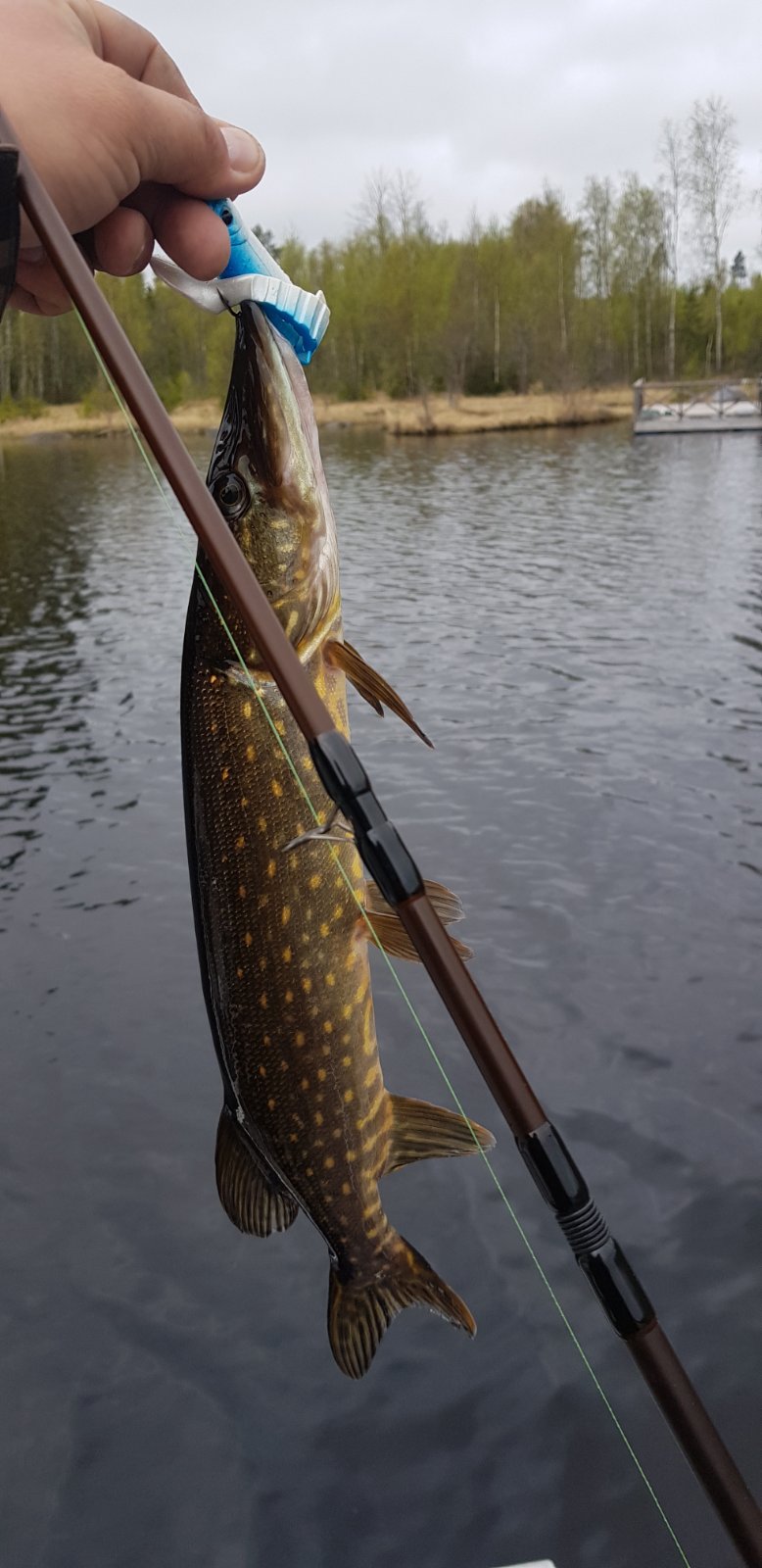
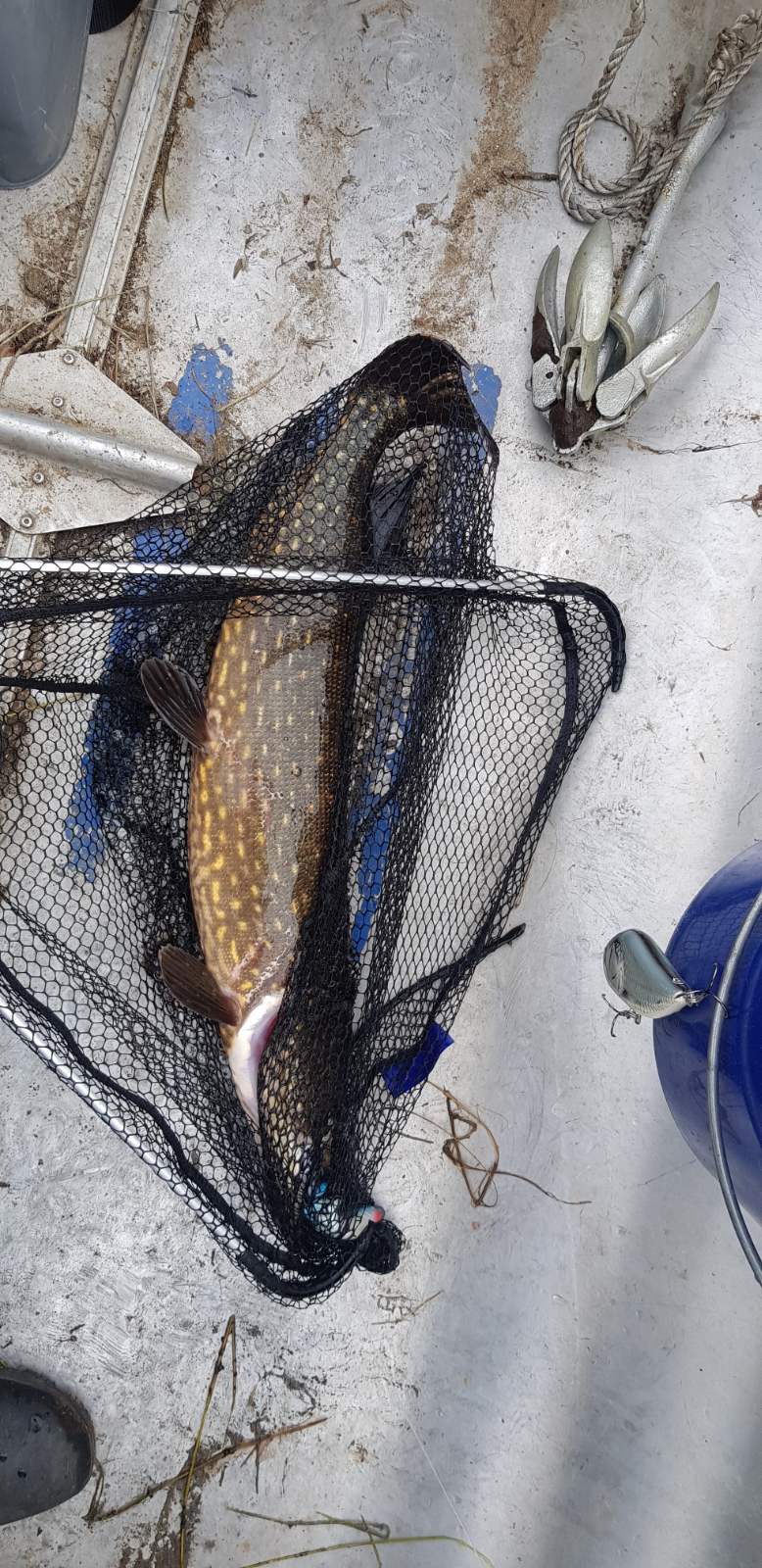
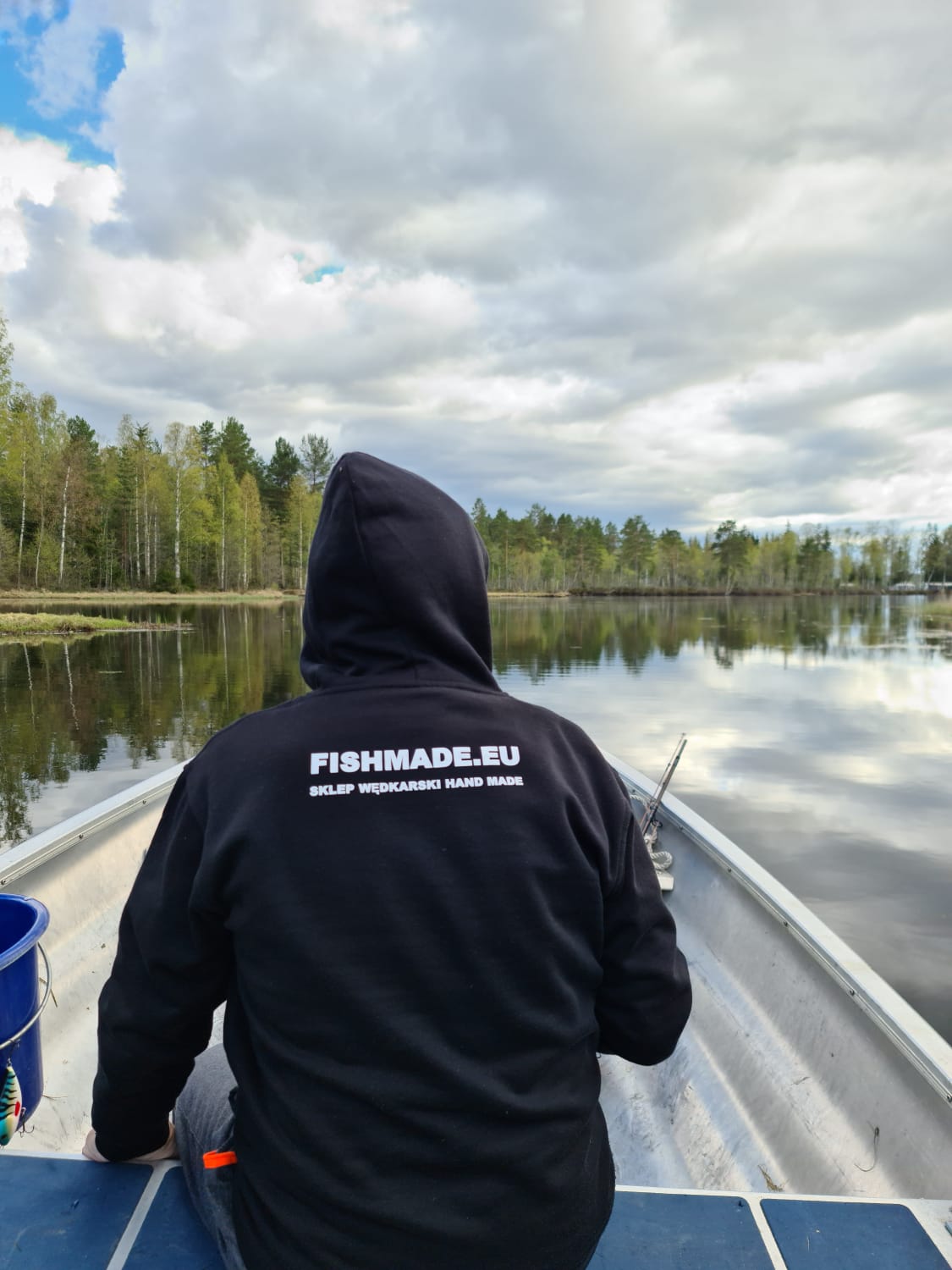
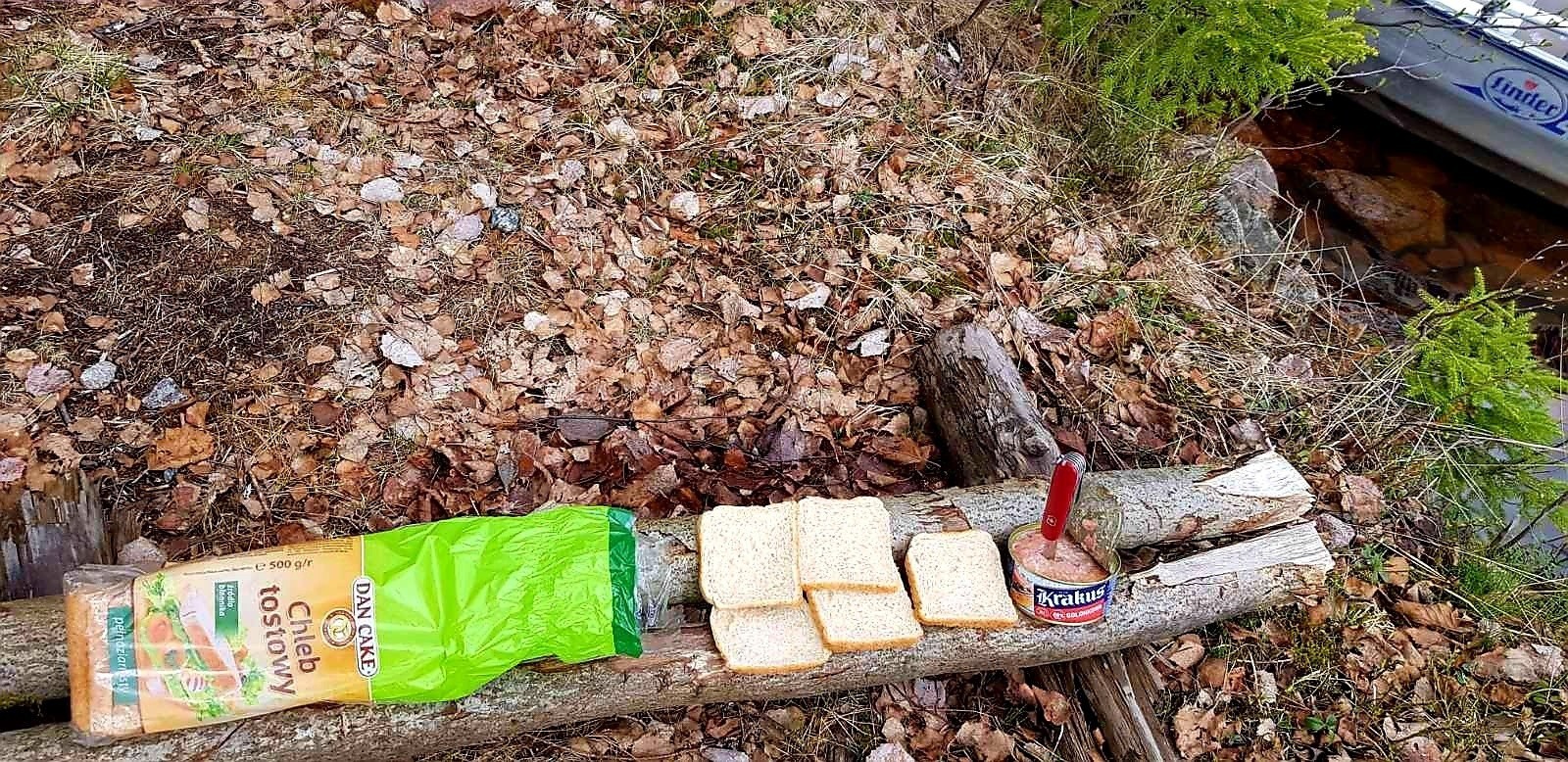
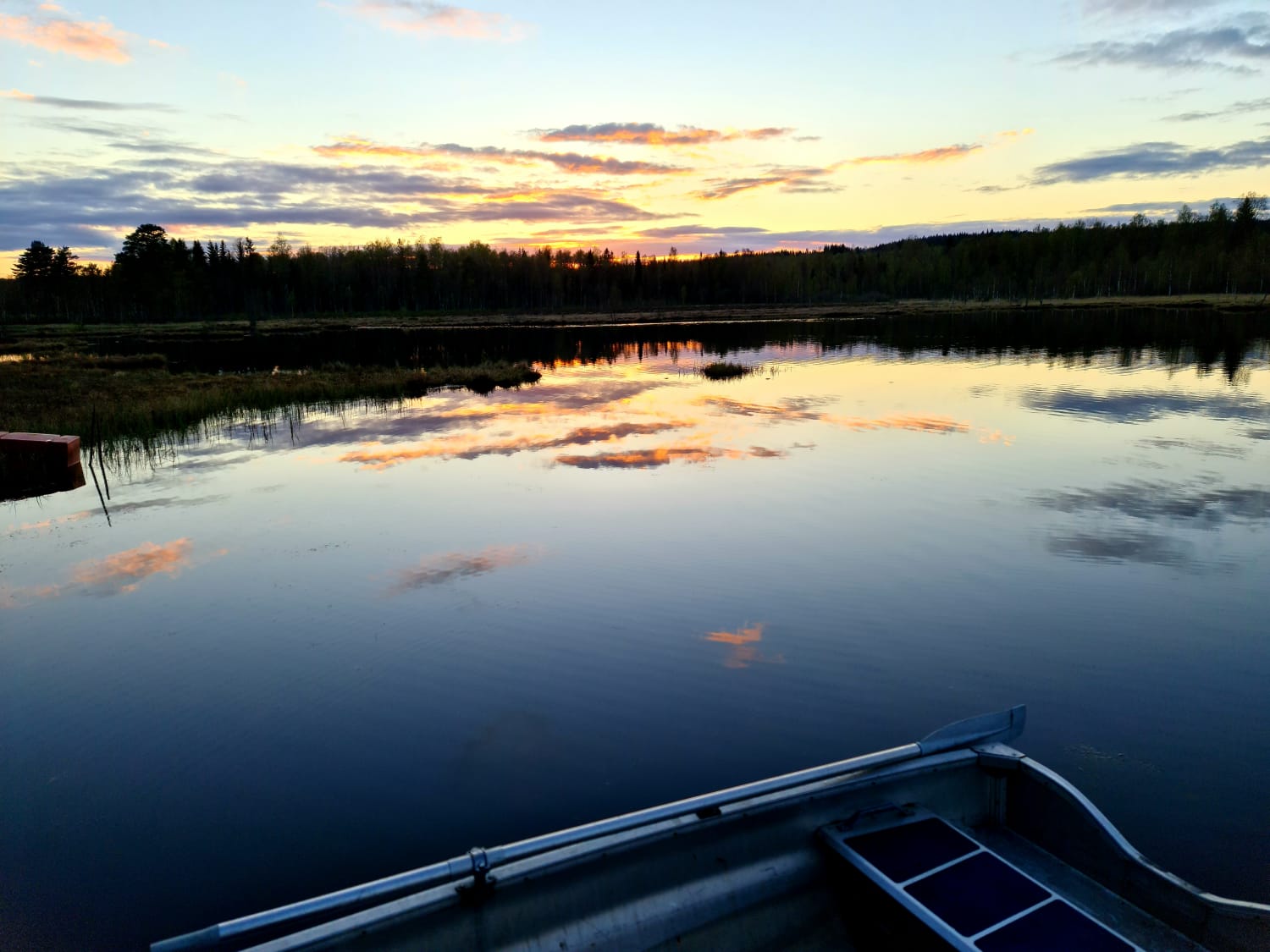
To sum up the whole trip, we didn’t manage to catch any huge fish, but we’re still very happy—after all, it was supposed to be a vacation to recharge our batteries, and that’s exactly what it was. The incredible peace and quiet allowed us to relax completely. There wasn’t a single day when we didn’t catch a fish, and that makes us very happy. We also gained additional experience through trial and error in searching for predators, and after all, such trips are meant to teach us, and in our case, that’s exactly what happened. We’re coming back to the same spot next year; we believe it’s a place with incredible potential—unfished waters with little pressure make this spot unique. Over 8 days on the water, we encountered—not counting our neighbors from the cabin next door—maybe 1 or 2 boats. Below, we’ll share a few more photos, and at the very end, a summary, so you’ll have a rough idea of how much such a trip costs.



Cost summary: We won’t include the costs of purchasing equipment, etc., because everyone has different circumstances—some have everything, while others are starting from scratch—so we’ll focus only on costs that we can consider “fixed.”
All in all, our 8-day stay on the water, including all fees, cost us about 2,900–3,000 PLN.
This is our first post, so we hope you’ll bear with us—next up is a trip to Norway’s Lofoten Islands and an expedition down the Oder River 🙂
If you have any questions or would like to join us on this trip, please leave a comment below—we’ll respond to everything.